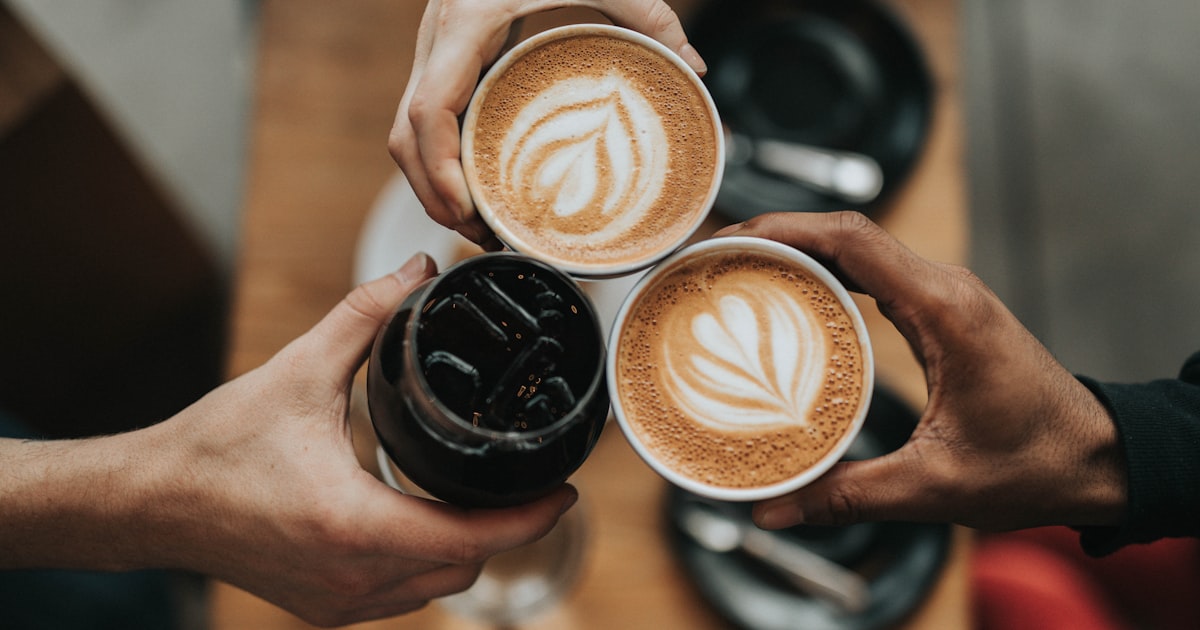
Build a Coffee Bar That Makes Your Kitchen Feel Like a Cafe
Transform your morning coffee routine with a home coffee bar setup that delivers cafe-quality drinks without the cafe prices. Here's what actually works.
There’s something magical about that first sip of perfectly brewed coffee in the morning. But let’s be real – most of us are stumbling around half-awake, pressing buttons on whatever coffee maker was on sale three years ago, and wondering why our coffee tastes like disappointment.
Building a home coffee bar isn’t about dropping thousands on professional equipment or transforming your entire kitchen. It’s about understanding what makes coffee taste good and creating systems that work even when your brain hasn’t fully booted up yet.
The Psychology of Coffee Spaces
Before we dive into equipment, let’s talk about why dedicated coffee spaces work so well. When you create a designated area for coffee making, you’re not just organizing supplies – you’re building a ritual that signals to your brain “this is important, pay attention.”
A well-designed coffee bar makes the morning routine feel intentional instead of rushed. It’s the difference between grabbing caffeine and creating a moment of calm before the day begins.
Coffee Bar Basics: What Actually Matters
Location, Location, Location Your coffee bar needs to be convenient but not cramped. Near the sink for water access, close to storage for supplies, and with enough counter space to work comfortably. If you’re working with limited space, even a dedicated corner with organized supplies counts as a coffee bar.
The Water Question Coffee is mostly water, so water quality dramatically affects taste. If your tap water tastes good on its own, you’re probably fine. If not, consider a simple filtration system – it’s cheaper than buying bottled water forever and makes a noticeable difference.
Storage That Makes Sense Coffee supplies need to be accessible but protected from light, heat, and moisture. This isn’t about aesthetics – it’s about keeping beans fresh and equipment clean.
The Equipment Hierarchy: What to Upgrade First
Level 1: Better Than Basic Start with the Keurig K-Classic Coffee Maker if you prioritize convenience and consistency over everything else. K-cups aren’t the pinnacle of coffee craft, but they deliver predictable results and eliminate variables when you’re learning what you actually like.
For drip coffee lovers, the Cuisinart DCC-3200P1 PerfecTemp brews at the right temperature and lets you program it the night before – crucial for those who can barely function before caffeine.
Level 2: Stepping Up Your Game Once you understand your preferences, consider the Breville Barista Express Espresso Machine. It’s serious equipment that doesn’t require a degree in engineering to operate. Built-in grinder, proper brewing temperature, and the ability to make drinks that actually taste like they came from a cafe.
Level 3: Full Commitment This is where you start researching grind sizes, water temperatures, and extraction times. But even here, focus on equipment that makes consistency easier, not harder.
The Grinder Reality Check
Here’s what most coffee guides won’t tell you upfront: your grinder matters more than your brewing method. Amazing beans ground poorly will taste worse than mediocre beans ground well.
If you’re buying pre-ground coffee, you’re already losing the battle. Coffee starts losing flavor within minutes of being ground. A decent grinder – even a basic blade grinder – makes a bigger difference than upgrading from a $50 to $150 coffee maker.
Burr grinders are better than blade grinders, but a blade grinder is infinitely better than pre-ground coffee. Start where your budget allows and upgrade when the current setup becomes the limiting factor in your coffee quality.
Bean Storage and Selection
Buy Fresh, Store Smart Coffee beans are best within 2-4 weeks of roasting. Check the roast date, not the expiration date. Store beans in an airtight container away from light and heat – that cute glass jar on the counter is actually terrible for coffee storage.
Local Roasters vs. Grocery Store Local roasters often provide fresher beans and can help you find flavors you actually enjoy. But don’t get intimidated by coffee snobbery – if you enjoy what you’re drinking and it fits your budget, you’re doing it right.
Whole Bean vs. Pre-Ground Whole beans stay fresh longer, but only if you grind them right before brewing. If you’re not ready to grind daily, buy smaller quantities of pre-ground coffee more frequently rather than storing large amounts that go stale.
Creating the Workflow
The Evening Setup Prep as much as possible the night before: fill the water reservoir, set out your mug, measure beans or grounds. Morning-you will thank evening-you for eliminating decisions and steps.
The Morning Routine Design your process to be foolproof when you’re half-asleep. Everything should have a designated spot, steps should be in logical order, and the end result should be consistent coffee without requiring full consciousness.
The Cleanup System Build cleaning into your routine instead of letting it pile up. Rinse, wipe, and reset while you’re drinking your coffee. A messy coffee bar makes the morning routine feel chaotic instead of calming.
Design Elements That Actually Function
Counter Space Management Your coffee bar needs room to work. If counter space is limited, consider a rolling cart that can be moved when needed or vertical storage to keep counters clear.
Tool Organization Everything you use daily should be within arm’s reach. Measuring spoons, cleaning supplies, extra filters – if you have to hunt for it every morning, you need better organization.
Visual Appeal A coffee bar should look inviting because you’ll see it every day. But prioritize function over form – beautiful equipment that’s annoying to use will just frustrate you.
Budget-Friendly Upgrades That Make a Difference
Improve Your Mugs A good mug makes coffee taste better and feel more special. Look for mugs that hold the right amount, feel good in your hands, and retain heat well.
Better Filters If you use a drip coffee maker, upgrade your filters. Better filters can improve flavor and reduce sediment without requiring new equipment.
Cleaning Supplies Coffee oils build up and create bitter flavors. Regular cleaning with proper supplies keeps everything tasting fresh. This isn’t glamorous, but it’s essential.
Troubleshooting Common Issues
Coffee Tastes Bitter Usually over-extraction from too fine grind, too hot water, or over-brewing. Try a coarser grind or shorter brewing time.
Coffee Tastes Sour/Weak Under-extraction from too coarse grind, too cool water, or under-brewing. Try a finer grind or longer brewing time.
Inconsistent Results Measure everything – coffee, water, time. Consistency comes from controlling variables, not from expensive equipment.
The Milk and Cream Situation
Frothing Options The Breville Bambino Plus includes quality milk frothing capabilities, but you can achieve decent results with much simpler tools – even a French press can froth milk if you pump the plunger.
Milk Alternatives Different milk alternatives foam differently. Oat milk generally froths well, while almond milk can be trickier. Experiment to find what works with your taste preferences and equipment.
Cold Brew for Summer Cold brew concentrate can be made in large batches and stored for up to a week. It’s smooth, less acidic, and perfect for iced coffee drinks when hot coffee feels wrong.
Advanced Tips for Coffee Enthusiasts
Water Temperature Ideal brewing temperature is 195-205°F. If your coffee maker doesn’t heat water properly, you can upgrade the machine or use a thermometer to check your kettle.
Timing Matters Different brewing methods have optimal timing. French press: 4 minutes. Pour-over: 3-4 minutes. Espresso: 25-30 seconds. Learn the timing for your preferred method.
Scale vs. Measuring Cups Serious coffee people weigh their beans and water because it’s more accurate than volume measurements. But if measuring cups work for you and you like the results, don’t fix what isn’t broken.
What We Recommend
Essential Coffee Equipment:
- Keurig K-Classic for convenient, consistent daily coffee
- Cuisinart PerfecTemp for programmable drip coffee with proper brewing temperature
- Breville Barista Express for serious home espresso without professional complexity
Explore More Coffee Solutions:
- Best Espresso Machines for cafe-quality shots at home
- Best Coffee Grinders for fresh-ground flavor
- Best Coffee Makers for reliable daily brewing
- Best French Presses for full-immersion brewing
- Best Cold Brew Makers for smooth summer coffee
- Best Milk Frothers for cafe-style milk drinks
- Best Coffee Mugs for the perfect drinking experience
- Best Espresso Cups for proper espresso service
The Real Secret to Great Home Coffee
The best coffee bar isn’t defined by the most expensive equipment or the most Instagram-worthy setup. It’s the one that consistently delivers coffee you enjoy with minimal friction in your daily routine.
Start with understanding what you actually like to drink. Do you prefer convenience or craft? Strong coffee or mild? Black coffee or milk drinks? Build your setup around your actual preferences, not what coffee culture says you should prefer.
The goal is to create a morning ritual that feels like self-care instead of a chore. When making coffee becomes something you look forward to rather than just a caffeine delivery system, you’ve succeeded.
Your home coffee bar should make you excited to get up in the morning, not stressed about getting the perfect extraction. Focus on consistency, convenience, and coffee you actually want to drink. Everything else is just details.
Related articles

Coffee Bar Setup: Products for a Cafe Corner in Your Kitchen
Create a coffee station that rivals your favorite café with the right equipment, storage, and setup. From espresso machines to perfect organization, turn your morning routine into a ritual worth waking up for.

The Home Coffee Obsession Guide: From Drip to Pour-Over to 'I Need a Dedicated Cart'
How a simple desire for better morning coffee transforms into precision brewing equipment, specialty beans, and endless technique refinement.
Meal Prep Like You Mean It: The Kitchen Setup That Saves $300/Month
Transform your kitchen into a meal prep powerhouse. The exact equipment, systems, and strategies that cut food costs while improving what you eat.