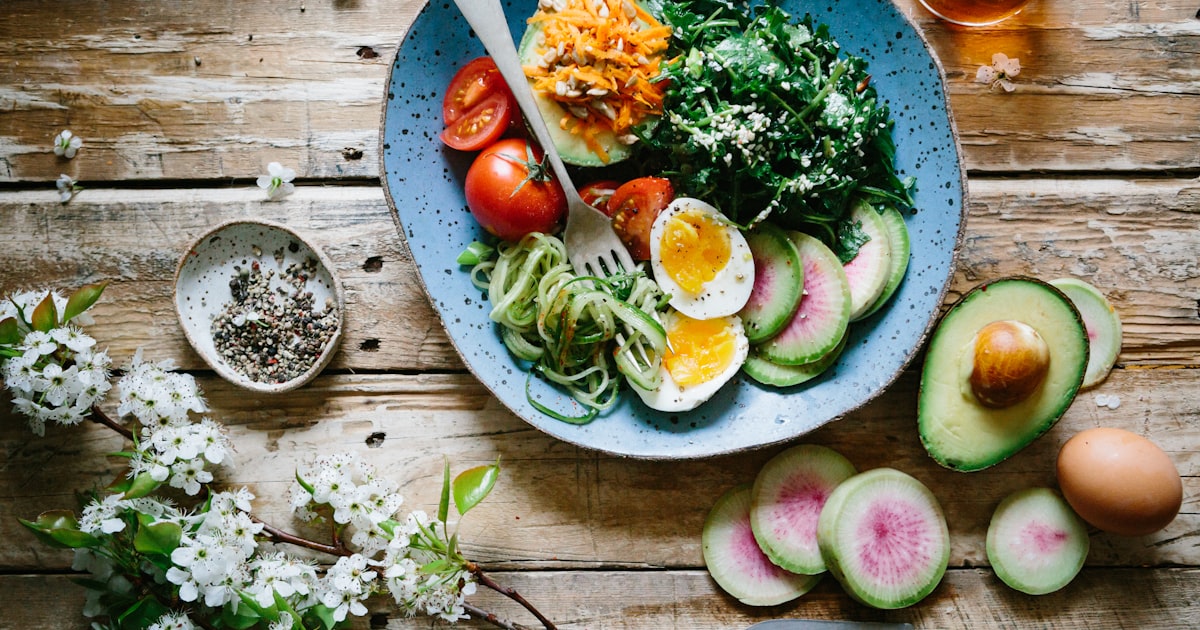
Meal Prep Like You Mean It: The Kitchen Setup That Saves $300/Month
Transform your kitchen into a meal prep powerhouse. The exact equipment, systems, and strategies that cut food costs while improving what you eat.
I used to spend $1,247 per month on food. Not because I ate at fancy restaurants or ordered caviar — just regular takeout, grocery shopping without a plan, and throwing away expired ingredients every week. The amount of money leaving my bank account for mediocre meals was genuinely shocking.
Then I got serious about meal prep. Not the sad container-of-plain-chicken-and-rice meal prep. Real meal prep that produces restaurant-quality food, saves massive amounts of money, and actually improves your health and energy levels.
After 18 months of refining my system, I spend $347 per month on food and eat better than I ever have. That’s $900 per month back in my pocket — $10,800 per year — while consuming food that’s more delicious, more nutritious, and perfectly tailored to my preferences.
The secret isn’t willpower or spending hours in the kitchen. It’s having the right equipment and systems that make meal prep easier than ordering takeout. Here’s the complete setup that transformed how I eat and spend money.
The True Economics of Meal Prep
Before we dive into equipment, let’s talk numbers. Most people dramatically underestimate what food actually costs them because they only count the obvious expenses.
My pre-meal-prep monthly food spending:
- Takeout/delivery: $680
- Grocery shopping: $420
- Coffee shops: $147
- Total: $1,247
Hidden costs I wasn’t calculating:
- Time spent deciding what to eat: ~45 minutes/day
- Delivery fees and tips: ~$3-5 per order
- Food waste: ~30% of groceries
- Health impact: constant energy crashes, poor sleep
- Mental overhead: decision fatigue around every meal
My current meal-prep monthly spending:
- Weekly grocery hauls: $287
- Specialty ingredients/treats: $60
- Total: $347
Time investment: 4 hours on Sundays for full week prep Time saved daily: 90 minutes (no more deciding, ordering, waiting, cleanup) Net time savings: 6.5 hours per week
The ROI is insane. Even if you value your time at just $20/hour, the time savings alone justify the equipment costs. The money savings are pure profit.
The Meal Prep Kitchen: Essential Equipment
1. Food Storage Containers: The Foundation of Everything
Cheap containers are the enemy of successful meal prep. They leak, stain, crack, and make your food look unappetizing. Good containers make meal prep feel professional and sustainable.
I use glass food storage containers for everything. Glass doesn’t absorb flavors, doesn’t stain, and looks clean even after months of use. More importantly, glass containers can go from freezer to microwave to dishwasher without any issues.
The key is having multiple sizes for different purposes:
- Large containers (32oz): Full meals, soups, grain salads
- Medium containers (16oz): Protein portions, side dishes
- Small containers (8oz): Sauces, dressings, snacks
Having matching lids eliminates the Tupperware chaos where nothing fits together. You can stack them efficiently, and they look organized in your fridge instead of like a food storage disaster zone.
2. Vacuum Sealer: The Game Changer for Bulk Prep
A vacuum sealer multiplies your meal prep effectiveness by 5x. Instead of preparing food for one week, you can prep ingredients and entire meals for months.
Here’s how it works: When you find chicken on sale for $2.99/lb (normally $6.99), you buy 20 pounds, portion it into meal-sized packages, vacuum seal everything, and freeze it. Same with vegetables, grains, even prepared sauces and soups.
Vacuum-sealed food lasts 3-5x longer than regular freezer storage because there’s no air to cause freezer burn. A $50 investment in bulk chicken provides protein for three months instead of one week.
The real magic happens with marinades. Vacuum seal chicken with marinade, and it penetrates completely in 30 minutes instead of 24 hours. You can marinate, cook, and portion everything in one efficient session.
3. Food Processor: Speed Prep Everything
A quality food processor turns 45 minutes of knife work into 4 minutes of button pressing. Chopping vegetables, making sauces, preparing dips, slicing potatoes — tasks that normally discourage meal prep become trivially easy.
I can prep an entire week’s worth of vegetables (onions, carrots, bell peppers, mushrooms) in about 8 minutes. Everything gets processed to the right size, stored in containers, and used throughout the week for different meals.
Food processors also make it easy to prepare things that would otherwise be expensive to buy pre-made. Hummus, pesto, nut butters, energy balls, salad dressings — all cost pennies to make and taste better than store-bought versions.
4. Kitchen Scale: Precision That Saves Money
A digital kitchen scale eliminates guesswork and waste. When recipes call for “1 cup of this” or “a handful of that,” you’re probably using too much of expensive ingredients and too little of cheap ones.
Weighing ingredients ensures consistency. When you nail a recipe, you can recreate it perfectly every time. No more “this tastes different than last week” disappointments.
More importantly, scales help with portion control. Instead of eyeballing protein sizes and wondering why your grocery budget is exploding, you can portion exactly 6oz of chicken per meal. Consistency saves money and improves nutrition.
5. Instant Pot: One-Pot Wonders
The Instant Pot revolutionized my meal prep because it makes large batches of complex dishes with minimal supervision. Throw in ingredients, press a button, walk away.
Perfect for:
- Whole chickens (shredded chicken for tacos, salads, soups)
- Dried beans and lentils (huge cost savings vs. canned)
- Bone broth (practically free using bones from other meals)
- Rice and grain dishes (set it and forget it)
- Tough cuts of meat (cheap cuts become tender and delicious)
The key insight: expensive cuts of meat taste good no matter how you cook them. Cheap cuts taste amazing when cooked properly and terrible when rushed. The Instant Pot makes cheap cuts delicious consistently.
6. Bento Boxes: Portion Control Made Visual
Bento boxes solved my “eating the same boring meal every day” problem. Instead of one large container with mixed-up food, bento boxes have compartments for different elements.
This makes meal prep more interesting because you can mix and match components. Monday might be teriyaki chicken with rice and steamed broccoli. Tuesday is the same chicken over salad with different vegetables and dressing. Same prep, different eating experience.
The built-in portion control is genius. The compartments naturally limit how much of each food type you include, leading to more balanced, satisfying meals that keep you full longer.
7. Sheet Pans: Batch Cooking Magic
Quality sheet pans enable the one-pan meal prep method that saves enormous amounts of time. Roast proteins and vegetables simultaneously, season everything differently for variety.
I can prep 6 different meal combinations on 3 sheet pans in the same oven: chicken thighs with Mediterranean seasoning and vegetables on one pan, salmon with Asian flavors and different vegetables on another, and roasted sweet potatoes and Brussels sprouts on the third.
Get heavy-duty, half-sheet pans that won’t warp in high heat. Warped pans cook unevenly and make cleanup frustrating. Good pans last for years and make meal prep feel professional instead of frustrating.
The Meal Prep System: How It All Works Together
Sunday Prep Session (3-4 hours total)
Hour 1: Prep Ingredients
- Wash and chop all vegetables using the food processor
- Cook grains and legumes in the Instant Pot
- Season and portion proteins for the week
Hour 2: Batch Cook
- Sheet pan roasting for 2-3 different flavor profiles
- One-pot dishes in the Instant Pot
- Prepare 2-3 sauces/dressings for variety
Hour 3: Assembly and Storage
- Portion everything using the kitchen scale
- Fill bento boxes with different combinations
- Vacuum seal extras for future weeks
- Clean and organize containers
Hour 4: Future Prep
- Prep ingredients for next week’s meals
- Vacuum seal bulk purchases when items go on sale
- Prepare freezer meals for busy weeks
The Magic of Component Cooking
Instead of making 7 different complete meals, I prepare versatile components that can be combined differently:
Proteins: Roasted chicken thighs, grilled salmon, slow-cooked beef, hard-boiled eggs
Grains: Brown rice, quinoa, farro, barley
Vegetables: Roasted seasonal mix, steamed greens, raw salad components
Sauces: Asian-inspired, Mediterranean, Mexican-spiced, basic vinaigrette
Monday: Chicken + rice + roasted vegetables + Asian sauce Tuesday: Same chicken + greens + different vegetables + vinaigrette (totally different meal) Wednesday: Salmon + quinoa + steamed vegetables + Mediterranean sauce
Same ingredients, completely different eating experiences. No boredom, minimal additional prep time.
The Money-Saving Strategies That Actually Work
Buy in Bulk When Things Go on Sale
When chicken goes from $6.99 to $2.99 per pound, I buy 30 pounds, vacuum seal it in meal-sized portions, and freeze everything. Same with vegetables, grains, and pantry staples.
The vacuum sealer pays for itself in a few bulk purchases. Instead of paying premium prices for small quantities every week, you buy at deep discount prices and store properly for months.
Cook Cheap Cuts Properly
Expensive cuts like ribeye steak and salmon filets are easy to cook but expensive. Cheap cuts like chicken thighs, pork shoulder, and beef chuck roast are 60% cheaper but require proper technique.
The Instant Pot makes cheap cuts delicious consistently. Chicken thighs become tender and flavorful. Pork shoulder transforms into pulled pork. Beef chuck becomes incredibly tender stew meat.
Learning to cook cheap cuts well is like getting a permanent 60% discount on protein costs.
Eliminate Food Waste Through Planning
Food waste is throwing money directly in the garbage. When you plan meals around what you already have and prep everything at once, waste disappears.
I track my food waste for three months and was horrified to discover I was throwing away $127 worth of expired food per month. Proper meal prep reduced that to maybe $15 per month — mostly things like herbs that spoil faster than I can use them.
Make Your Own “Convenience” Foods
Store-bought convenience foods have convenience markup of 300-500%. Making your own versions costs 80% less and often tastes better.
Examples:
- Energy bars: $3 each vs. $0.60 homemade
- Hummus: $4.99 per container vs. $1.20 homemade
- Salad dressing: $3.99 per bottle vs. $0.75 homemade
- Nut butter: $8.99 per jar vs. $3.20 homemade
The food processor makes all of these trivially easy to prepare in bulk.
Advanced Strategies: Next-Level Meal Prep
Knife Skills: Speed and Safety
Good knife skills make meal prep faster and safer. A sharp knife cuts cleanly and quickly, while a dull knife requires more pressure and is more likely to slip.
Invest in one excellent chef’s knife rather than a set of mediocre knives. Learn basic cuts (julienne, dice, chop) and practice until they become automatic. Proper technique prevents injuries and makes prep work meditative instead of stressful.
Freezer Management
Organize your freezer like a filing system. Group similar items together, label everything with contents and date, and use a first-in-first-out rotation.
I keep a freezer inventory list on my phone so I know what’s available without digging around. When I’m planning the next week’s meals, I check the inventory first to use older items before they get freezer burn.
Seasonal Meal Planning
Plan meals around what’s in season and on sale. Summer meals feature fresh tomatoes, corn, and stone fruits. Winter meals use root vegetables, citrus, and heartier proteins.
This approach saves money (seasonal produce is cheaper) and improves flavor (seasonal produce tastes better). It also adds natural variety to your meal rotation throughout the year.
What We Recommend
Ready to transform your kitchen into a meal prep powerhouse? Here’s your priority order:
Phase 1: Foundation ($150 investment)
- Food storage containers - Glass containers in multiple sizes
- Digital kitchen scale - Accurate portioning and recipe consistency
Phase 2: Efficiency ($400 investment)
- Food processor - Dramatically speeds vegetable prep
- Instant Pot - One-pot meals with minimal supervision
- Quality sheet pans - Even cooking and easy cleanup
Phase 3: Advanced Systems ($300 investment)
- Vacuum sealer - Bulk purchasing and long-term storage
- Bento boxes - Portion control and meal variety
- Professional knife set - Speed and precision in prep
Essential Resources:
- Food Storage Containers - Glass vs. plastic comparisons
- Vacuum Sealers - Bag costs and sealing strength
- Food Processors - Bowl capacity and motor power
- Kitchen Scales - Accuracy and weight capacity
- Bento Boxes - Compartment sizes and leak resistance
- Instant Pots - Size recommendations and pressure settings
- Baking Sheets - Materials and heat distribution
- Knife Sets - Steel types and maintenance requirements
The Compound Benefits of Real Meal Prep
The financial savings are obvious and immediate. But the secondary benefits compound over time:
Better Nutrition: When you control ingredients, you eat more vegetables, less sodium, fewer preservatives, and better-quality proteins.
Improved Energy: Consistent, balanced meals eliminate the energy crashes that come from random food choices.
Reduced Decision Fatigue: Knowing what you’re eating eliminates hundreds of micro-decisions per week.
Enhanced Cooking Skills: Regular practice makes you a better cook, which makes food more enjoyable and cost-effective.
Emergency Preparedness: Having a freezer full of pre-made meals provides security during busy periods or unexpected events.
Social Benefits: Meal prep skills make you a better host and allow you to contribute meaningfully to potlucks and gatherings.
The initial investment feels significant — $850 for a complete setup — but it pays for itself in less than one month of food savings. Everything after that is pure profit: better food, more time, less stress, and an extra $10,800 per year in your bank account.
Your kitchen should work for you, not against you. When meal prep becomes easier than ordering takeout, sustainable healthy eating becomes automatic. The hardest part is getting started. After that, the system runs itself.
What will you do with an extra $300 every month?
Related articles

Best Products for Cheese Storage: Keep Your Cheese Fresh and Flavorful
Master cheese storage with expert-tested solutions that maintain flavor, prevent mold, and extend freshness for all types of cheese from soft brie to aged cheddar.
Best Products for Coffee Storage: Preserve Freshness and Flavor
Keep your coffee beans and grounds fresh longer with expert-tested storage solutions. From airtight canisters to vacuum containers, discover what actually works.
Best Products for Bread Storage: Keep Your Bread Fresh Longer
Discover the most effective bread storage solutions to extend freshness, prevent mold, and reduce waste. From bread boxes to freezer bags, we've tested them all.