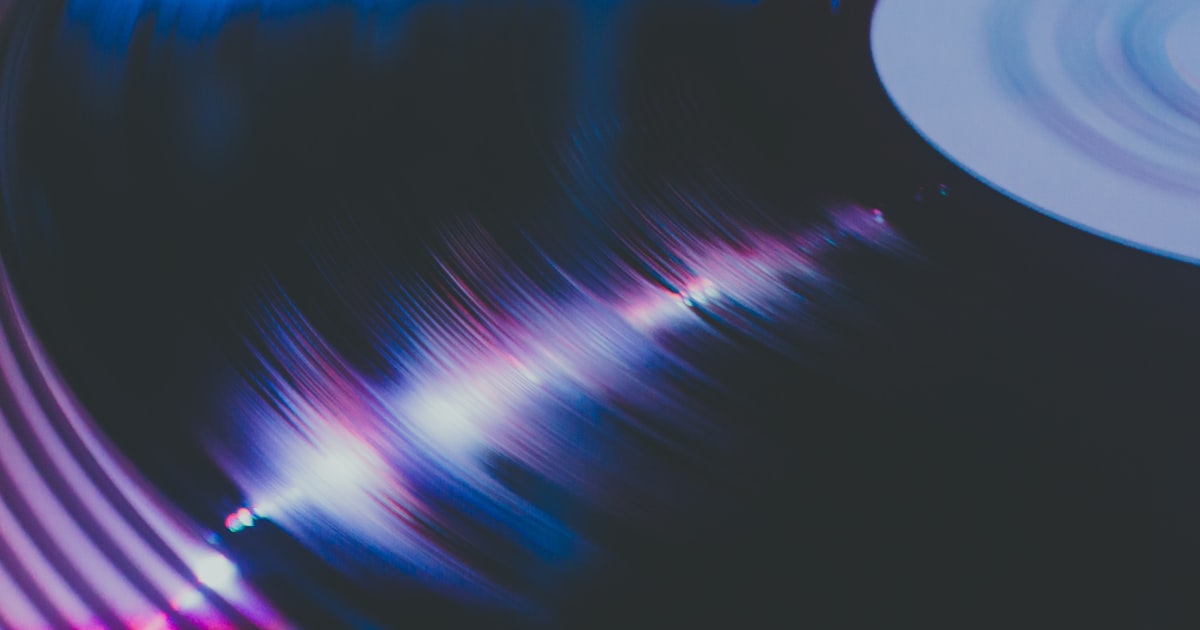
Getting Into Vinyl in 2026: A Practical Guide (Not a Hipster Manifesto)
Vinyl is having a moment, but you don't need to spend a fortune or pretend it's magic. Here's the real story on building a record collection that actually makes sense.
Let’s get the obvious question out of the way: Is vinyl actually better than digital music? The short answer is: it depends what you mean by “better.” Vinyl doesn’t have higher fidelity than a well-mastered digital file. It’s not more convenient than streaming. And it’s definitely not cheaper per song.
But vinyl does something that digital music struggles with: it makes music feel like an event rather than background noise. The ritual of selecting a record, cleaning it, placing it on the turntable, and committing to listening to an entire album side creates a completely different relationship with music.
That said, you don’t need to spend $5,000 on a setup or develop opinions about pressing plants to enjoy vinyl. This is a practical guide for people who want to understand what vinyl collecting is actually about in 2026, without the pretentious gatekeeping that surrounds the hobby.
Why Vinyl Makes Sense Now
The vinyl revival isn’t just nostalgia or hipster fashion. Several practical factors make vinyl more appealing today than it was even ten years ago:
Streaming Makes Discovery Easy: You can discover music digitally, then buy physical copies of albums you actually love. No more gambling $15 on a CD you might hate.
Album Art Matters: In an age of tiny smartphone screens, large-format album art creates a visual experience that connects you to the music in ways that digital files can’t.
Intentional Listening: Vinyl forces you to listen to complete album sides, which often reveals artistic choices that get lost in shuffle mode. Many albums are designed as complete experiences, not collections of singles.
Tangible Ownership: You actually own the music, not just a license to stream it. Records don’t disappear when licensing deals expire.
The Turntable: Start Here, Upgrade Later
The most important decision in vinyl playback is the turntable, but it’s also the most overwhelming for beginners. The Victrola Quincy 6-in-1 Bluetooth Record Player represents the entry point that actually works without breaking the bank.
Yes, audiophiles will tell you that all-in-one units are compromised, and they’re technically correct. The built-in speakers aren’t as good as dedicated speakers, the cartridge isn’t as refined as a $300 audiophile model, and the build quality isn’t heirloom-level.
But here’s what the Quincy does well: it plays records without damaging them, it includes everything you need to get started, and it sounds significantly better than those briefcase-style players that have given modern turntables a bad reputation. The Bluetooth connectivity means you can stream digital music through the same speakers when you’re not playing records.
The three-speed capability (33⅓, 45, and 78 RPM) means you can play any record you’re likely to encounter, including vintage singles and specialty releases. The USB recording feature lets you digitize records, which is useful for rare finds that aren’t available streaming.
Most importantly, it’s a complete system that lets you start enjoying vinyl immediately while learning what aspects of the hobby matter most to you personally. You can always upgrade components later based on actual experience rather than theoretical preferences.
Speakers: The Unsung Heroes
The speakers make a bigger difference in sound quality than most people realize, but you don’t need to spend thousands to get satisfying results. The key is matching speakers to your room size and listening preferences.
For most living rooms, bookshelf speakers provide the best balance of sound quality, flexibility, and value. They can be positioned optimally for listening, upgraded independently from other components, and moved easily if your setup changes.
Active speakers (with built-in amplification) eliminate the need for a separate amplifier, reducing complexity and often providing better value than separate components at entry-level prices.
Room Considerations: Speaker placement matters more than many people realize. Avoid placing speakers directly against walls, which creates bass buildup and muddy sound. Angle speakers slightly toward your listening position for better imaging and clarity.
For audio system building:
- Best turntables for record player comparisons
- Best bookshelf speakers for audio upgrade options
- Best bluetooth speakers for flexible listening solutions
Understanding Record Quality
Not all vinyl is created equal, and understanding the factors that affect sound quality helps you make better purchasing decisions.
Pressing Quality: Modern pressings generally have better quality control than vintage records, but the source material matters enormously. Records mastered specifically for vinyl often sound better than digital files transferred to vinyl without adjustment.
Weight and Thickness: Heavier records (180-gram vs. standard 120-gram) resist warping better and can sound slightly better, but the difference is often subtle compared to factors like mastering and pressing plant quality.
New vs. Used: Used records can be excellent values if they’ve been well-cared for, but condition dramatically affects sound quality. Surface scratches create audible pops and clicks, while deeper damage can cause skipping.
Special Editions: Limited editions, colored vinyl, and special packaging often cost more but don’t necessarily sound better. Buy these for the collecting experience, not expecting superior audio quality.
Building Your Collection Strategically
Starting a vinyl collection can quickly become expensive if you don’t have a strategy. Here’s how to build a collection that you’ll actually enjoy rather than just accumulate:
Start with Albums You Love: Don’t buy records to impress other collectors. Start with music you already know you love and want to experience in this format.
Mix New and Classic: New releases are often available at reasonable prices and in excellent condition. Classic albums might cost more but represent music that’s stood the test of time.
Set Boundaries: Decide on a monthly budget and stick to it. Vinyl collecting can become addictive, and it’s easy to justify “just one more” purchase repeatedly.
Quality over Quantity: Ten well-chosen records you love are better than 50 random albums you bought because they were cheap.
Where to Buy Records
Record Stores: Local record shops offer the experience of browsing and discovering music, plus the ability to examine condition before purchasing. Staff recommendations can introduce you to music you’d never find otherwise.
Online Retailers: Better selection and often better prices, but you can’t examine condition before purchase. Stick to reputable sellers with good return policies.
Direct from Artists: Many artists sell exclusive pressings through their websites or at shows. These often have special packaging or variants not available elsewhere.
Used Markets: Garage sales, estate sales, and online marketplaces can yield great finds, but condition varies wildly. Know what to look for in terms of wear and damage.
Caring for Your Records
Proper care determines whether your records sound good for decades or become unplayable in a few years.
Cleaning: New records often have manufacturing residue that affects sound quality. A basic cleaning with anti-static record solution and microfiber cloth makes an immediate difference.
Storage: Store records vertically, not stacked horizontally. Use inner sleeves (preferably anti-static) to protect the record surface, and outer sleeves to protect the album cover.
Handling: Always handle records by the edges and label area. Fingerprints on the playing surface create noise and attract dust.
Environment: Avoid extreme temperatures, direct sunlight, and high humidity. Records warp in heat and develop mold in excessive moisture.
The Economics of Vinyl
Let’s be honest about costs: vinyl is expensive compared to digital music. New releases typically cost $25-35, and classic albums can be significantly more. A modest collection of 100 albums represents a significant investment.
But the economics aren’t just about per-song costs. Records often retain or increase in value, especially limited editions and out-of-print releases. Unlike digital purchases, you can resell records if your tastes change.
Budget Strategies:
- Shop used bins for common classics
- Watch for sales at major retailers (often 20-30% off)
- Join record subscription services for new music discovery
- Set want lists at local shops for specific titles
Integration with Digital Music
Vinyl doesn’t have to be all-or-nothing. Most vinyl enthusiasts also stream digital music for discovery and convenience. The key is using each format for what it does best:
Vinyl for: Focused listening sessions, favorite albums, special occasions, the full album experience.
Digital for: Discovery, background music, portability, convenience, rare or expensive music.
Many modern turntables include USB outputs for digitizing records, letting you create high-quality digital copies of rare vinyl for portable listening.
For expanded audio options:
- Best av receivers for comprehensive audio system building
Common Beginner Mistakes
Buying a Turntable That Damages Records: Extremely cheap players often have poor tracking and can permanently damage records. If budget is tight, buy used from reputable brands rather than new from questionable ones.
Ignoring Cartridge Maintenance: The stylus (needle) wears out with use and needs periodic replacement. A worn stylus damages records and sounds terrible.
Storage Problems: Storing records in poor conditions (heat, humidity, horizontal stacking) can quickly ruin an expensive collection.
Impulse Buying: Building a collection gradually based on genuine interest works better than buying everything that seems like a “good deal.”
The Social Aspect
Vinyl collecting has a strong community element that streaming doesn’t replicate. Record stores become social spaces, releases become events, and sharing favorite finds with other collectors creates connections around music discovery.
Record Store Day, annual music festivals, and listening parties create shared experiences around physical music in ways that playlist sharing can’t match.
What We Recommend
After testing various vinyl setups and working with both new collectors and long-time enthusiasts, here’s our recommended starting point:
Complete Turntable System:
- Victrola Quincy 6-in-1 Bluetooth Record Player - Everything you need to start playing records immediately
Expand Your Audio System:
- Best turntables - Compare record player options
- Best bookshelf speakers - Upgrade your audio quality
- Best av receivers - Build comprehensive audio systems
- Best bluetooth speakers - Flexible listening options
The most important advice for vinyl beginners: start small and learn what you actually enjoy about the format before investing heavily in equipment or records.
Some people love the ritual and large-format artwork but don’t care much about sound quality differences. Others become obsessed with pressing quality and upgrade their systems continuously. Neither approach is wrong, but knowing your own preferences helps guide purchasing decisions.
Vinyl in 2026 offers something that streaming can’t: a deliberate, tactile relationship with music that encourages focused listening and creates lasting memories around specific albums. Whether that’s worth the extra cost and inconvenience depends on how much you value those experiences.
The best way to find out is to start with a modest setup and a few records you already love. If you find yourself looking forward to the ritual of playing records and discovering new details in familiar music, then you’ll know this hobby has something to offer you.
If it feels like more trouble than it’s worth, you’ll have learned that without a huge financial investment. Either outcome is perfectly valid – vinyl isn’t for everyone, and that’s okay.
The goal isn’t to become a vinyl purist or convince anyone that analog is superior to digital. It’s to explore whether this particular way of experiencing music adds something meaningful to your life. For many people, it does. The only way to know for sure is to try it yourself.
Related articles

Best Products for Bluetooth Troubleshooting: Fix Connection Issues Forever
Struggling with Bluetooth connectivity problems? Discover the best adapters, speakers, headphones, and transmitters to solve any Bluetooth issue once and for all.

Podcast Recording Setup: Products for Professional Audio at Home
Transform any room into a professional podcast studio with the right equipment. Complete guide to microphones, headphones, audio interfaces, and acoustic treatment.
Podcast Listening Setup: Products That Make Audio Content Better
Upgrade your podcast listening experience with the right audio gear. From wireless earbuds for commuting to smart speakers for home listening, discover products that make every word crystal clear.