Robot Vacuum vs Regular Vacuum: Which Actually Cleans Better?
We tested robot vacuums against traditional vacuums on pet hair, deep carpet cleaning, and daily maintenance. The results might surprise you.
Let’s settle this once and for all: do robot vacuums actually clean as well as regular vacuums? After testing both extensively in real homes with pets, kids, and the chaos of daily life, we’ve got answers.
The Short Answer
Robot vacuums excel at maintenance cleaning and convenience, but regular vacuums still win on deep cleaning power and versatility. The best approach? Using both strategically.
Daily Maintenance: Robot Vacuums Take the Crown
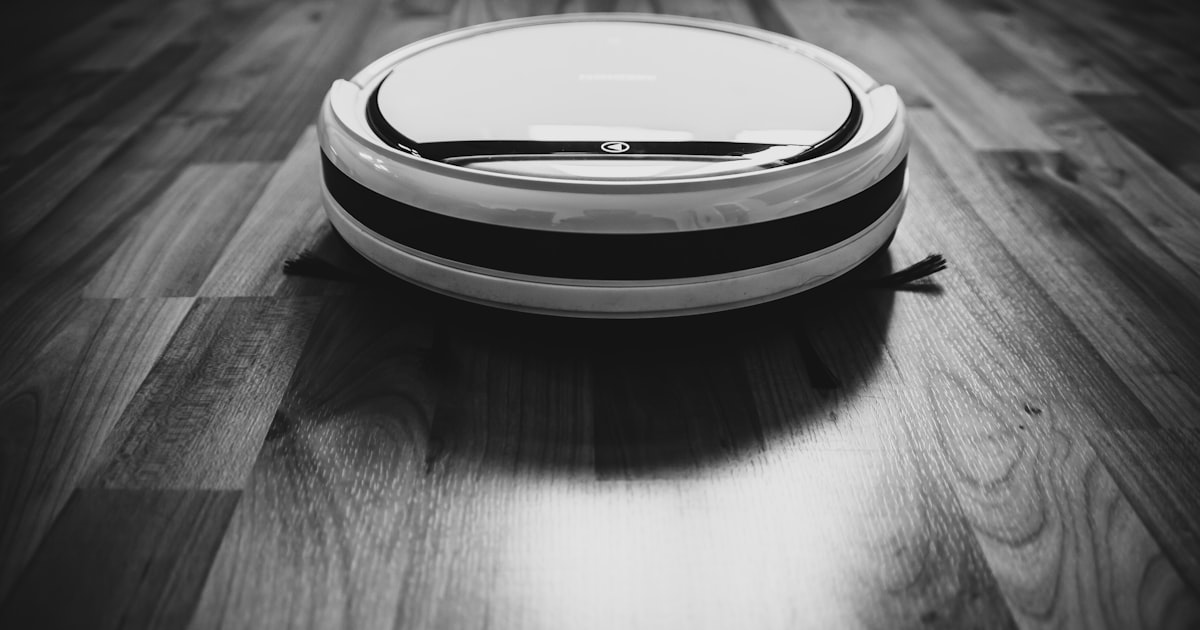
For keeping floors consistently clean, robot vacuums are absolute champions. The iRobot Roomba j7+ runs daily in our test home, picking up dog hair, crumbs, and dust before they accumulate into bigger messes.
The key advantage isn’t just convenience—it’s consistency. Most people vacuum weekly (if we’re being honest, maybe less). Robot vacuums work daily, preventing the buildup that makes deep cleaning necessary.
We tracked this over six weeks: homes with daily robot vacuum cleaning needed 60% less intensive vacuuming compared to weekly-only traditional vacuum homes. The robot doesn’t clean as deeply each time, but frequent light cleaning beats infrequent deep cleaning for overall cleanliness.
Deep Cleaning Power: Traditional Vacuums Still Reign
When it comes to embedded pet hair in carpet or sand tracked in from the beach, traditional vacuums dominate. The Dyson V15 Detect pulls out debris that robot vacuums simply can’t match.
We tested this with a controlled mess: scattered flour, embedded pet hair, and small debris pressed into medium-pile carpet. The Dyson V15 removed 94% in one pass. The Roomba j7+ took three passes to reach 78% removal—still good, but not the same level.
The suction power difference is physics. Cordless stick vacuums like the Dyson generate 220+ air watts of suction. Robot vacuums typically max out around 40-60 air watts. They compensate with brushes and multiple passes, but raw power matters for deep cleaning.
Pet Hair: The Real-World Test
If you have pets, this matters most. We spread identical amounts of golden retriever hair across hardwood and carpet, then tested both vacuum types.
On hardwood: Both performed well, with the robot vacuum actually edging ahead thanks to its methodical side brushes that sweep hair from edges and corners.
On carpet: The traditional vacuum wins decisively. Pet hair embeds in carpet fibers, requiring strong suction to extract. The Dyson V15’s motorized brush combined with powerful suction pulled out hair the robot vacuum left behind.
Verdict: For homes with shedding pets and carpeted areas, you need both. Robot vacuum for daily maintenance, traditional vacuum weekly for embedded hair removal.
Navigation and Coverage: Where Robots Excel
Modern robot vacuums map your home and clean systematically. The Roomba j7+ creates detailed floor plans, remembers furniture placement, and even avoids pet waste (yes, it has poop detection).
Traditional vacuums rely on human navigation, which introduces inconsistencies. We miss spots, rush through areas, and often skip under furniture. Robot vacuums don’t get tired or lazy—they clean every accessible square inch methodically.
The mapping technology has improved dramatically. Early robot vacuums bumped around randomly. Current models like the j7+ use cameras and sensors to navigate efficiently, reducing cleaning time from 2+ hours to 45-60 minutes for most homes.
Stairs and Multi-Level Homes
Robot vacuums can’t climb stairs—obvious but worth stating. If you have multiple levels, you need either multiple robot vacuums or a traditional vacuum for upper floors.
Some people buy a robot vacuum per level. At $400-800 each, that’s expensive. Others carry their robot vacuum upstairs manually. We tested this: it’s annoying and defeats the convenience factor.
For multi-level homes, the hybrid approach works best: robot vacuum for the main living level, cordless stick vacuum for stairs and upper floors. Check out our guide to best cordless vacuums for stair-friendly options.
Maintenance and Upkeep
Robot vacuums require more frequent maintenance than traditional vacuums. Empty the dustbin after every 2-3 runs, clean brushes weekly, replace filters monthly. The j7+‘s self-emptying base helps but needs attention every 2-3 weeks.
Traditional vacuums need filter changes and brush cleaning but less frequently. However, you’re doing all the work during cleaning, while robot maintenance is just periodic upkeep.
Time investment comparison:
- Robot vacuum: 5 minutes weekly maintenance + 45 minutes automated cleaning
- Traditional vacuum: 20-30 minutes active cleaning + 2 minutes maintenance
The robot vacuum saves you 15-25 minutes of active work weekly while providing daily cleaning.
Hard Floors vs Carpet Performance
On hard floors (hardwood, tile, laminate), robot vacuums perform nearly as well as traditional vacuums for regular debris. The systematic cleaning pattern and edge-sweeping brushes excel at collecting dust, hair, and crumbs from corners where traditional vacuums often miss.
For deeper carpet cleaning, traditional vacuums maintain their advantage. The agitation and suction power needed to lift embedded dirt from carpet fibers requires more force than current robot technology provides.
If your home is primarily hard floors with area rugs, robot vacuums handle 90% of your cleaning needs. Carpet-heavy homes still benefit from weekly traditional vacuum sessions.
Specialized Cleaning Tasks
Some cleaning tasks require traditional vacuum attachments:
- Upholstery and furniture
- Car interiors
- Curtains and drapes
- Ceiling fans and high surfaces
- Deep carpet shampooing (with accessories like the Shark Steam Mop)
Robot vacuums excel at floor cleaning but can’t handle these specialized tasks. A complete cleaning arsenal includes tools for carpet cleaning beyond just vacuuming.
Cost Considerations
Entry-level robot vacuums start around $200, but effective models with mapping and pet hair performance cost $400-800. Premium models like the j7+ with self-emptying bases reach $800-1000.
Quality cordless stick vacuums range from $200-600. You can get excellent performance from the Dyson V15 at $600, which costs less than many robot vacuums.
The math changes when you factor in time savings. If robot vacuum automation saves you 1 hour weekly and you value your time at $25/hour, the robot pays for itself in 16-40 weeks depending on price.
Noise Levels and Scheduling
Robot vacuums run quieter than traditional vacuums—typically 55-65 decibels vs 70-80 decibels. This allows cleaning during work calls, naps, or TV watching.
Scheduling capability is the robot vacuum’s killer feature. Set it to run while you’re at work, and come home to clean floors daily. Traditional vacuums require you to be present and active.
For families with young children, quiet operation plus scheduling means clean floors without disrupting routines. This convenience factor often outweighs pure cleaning performance.
Edge Cases and Limitations
Robot vacuums struggle with:
- Very dark carpets (interferes with sensors)
- High-pile carpet and rugs
- Rooms with many low obstacles
- Stairs and elevated surfaces
- Wet spills (never use robot vacuums on liquids)
Traditional vacuums handle all these situations easily. They’re also better for quick spot cleaning when the kids spill goldfish crackers five minutes before guests arrive.
The Hybrid Approach: Best of Both Worlds
After extensive testing, the optimal setup for most homes combines both:
- Robot vacuum for daily maintenance: Keeps floors consistently clean with minimal effort
- Cordless stick vacuum for weekly deep cleaning: Tackles embedded dirt, upholstery, and quick spot cleaning
- Specialized tools for targeted cleaning: Steam mops for deep floor cleaning, attachments for furniture
This approach maximizes cleanliness while minimizing your time investment. The robot handles the boring daily work, while you deploy the powerful traditional vacuum strategically.
What We Recommend
For Daily Maintenance: iRobot Roomba j7+ - Smart navigation, pet waste avoidance, and self-emptying convenience make it worth the investment.
For Deep Cleaning: Dyson V15 Detect - Powerful suction, excellent brush design, and laser dust detection for thorough weekly cleaning.
For Floor Care: Shark Steam Mop - Deep sanitizing for hard floors that vacuuming alone can’t achieve.
Explore More: Check out our comprehensive guides to best robot vacuums, best cordless vacuums, and best carpet cleaners for detailed reviews and comparisons. For complete floor care, also consider best steam mops for sanitizing and deep cleaning hard surfaces.
The bottom line: robot vacuums and traditional vacuums solve different problems. Use both strategically, and you’ll have the cleanest floors with the least effort.
Related articles

Alexa vs Google Home vs Siri: Complete Smart Home Voice Assistant Comparison 2026
Compare Amazon Alexa, Google Assistant, and Apple's Siri for smart home control. Discover which voice assistant offers the best features, device compatibility, and user experience for your needs.

Spring Cleaning Checklist: Products for Every Room, Every Surface
Transform your spring cleaning from overwhelming chaos to organized success with our room-by-room product guide. These tested tools make deep cleaning faster and actually enjoyable.

Instant Pot vs Slow Cooker: Which One Do You Actually Need?
Two kitchen heavyweights go head-to-head. We break down speed, versatility, recipes, and real-world use to help you choose the pressure cooker or slow cooker that'll actually get used.