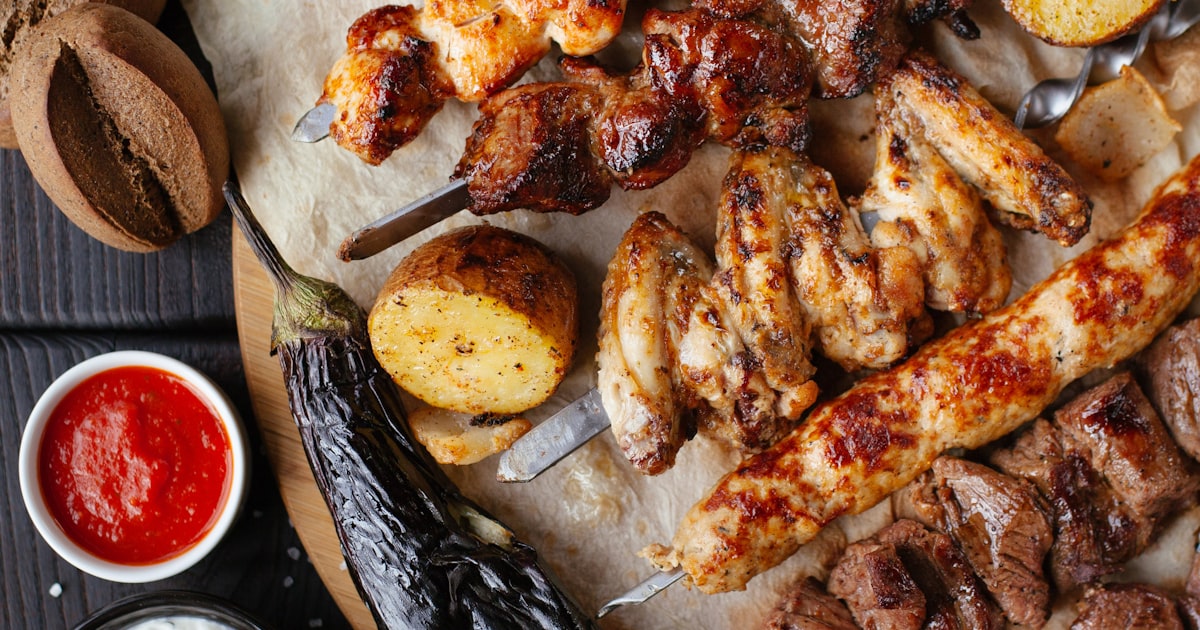
Pellet Grill vs Gas vs Charcoal vs Kamado: The Ultimate Grill Showdown
Every grill has fanatics claiming it's the best. Let's cut through the smoke and bias to find out which grill actually deserves space in your backyard.
Ah, the great grill debate. Mention you’re shopping for a grill in any BBQ group and you’ll trigger a religious war faster than you can say “smoke ring.” Everyone’s an expert, everyone’s grill is the “best,” and somehow every other option is either “cheating” or “inferior.”
I’ve spent the last three years testing every major grill type side-by-side, cooking identical meals, tracking costs, measuring temperatures, and timing everything from setup to cleanup. Not for YouTube views or sponsorship deals—just because I was tired of buying grills based on hype only to be disappointed.
Here’s what I learned: Every grill type excels at something specific, but most people buy based on marketing rather than how they actually cook. The “best” grill isn’t about features—it’s about matching the tool to your cooking style, available time, and realistic commitment level.
Let me break down what each grill type actually does well (and poorly) so you can make a decision based on reality, not marketing.
Pellet Grills: The Set-and-Forget Champion
What they do: Burn compressed wood pellets, controlled by digital thermostats. Think of them as outdoor ovens that add smoke flavor.
The promise: Perfect BBQ with the push of a button. Set temperature, walk away, come back to perfectly cooked food.
The reality: They deliver on convenience better than any other grill type, but “set and forget” has limitations.
Pellet Grill Strengths
Consistency: A quality pellet grill holds temperature within 5-10 degrees for hours. Your brisket won’t be ruined because you fell asleep or got distracted by yard work.
Convenience: Push button, select temperature, add food. No fire management, no charcoal lighting, no constant monitoring.
Versatility: They grill, smoke, roast, and bake. I’ve done everything from pizza to cookies on mine.
Smoke Flavor: Consistent, controllable smoke without the learning curve of managing wood chunks or chips.
The Traeger Pro 575 exemplifies what makes pellet grills appealing—WiFi connectivity lets you monitor and adjust temperatures from inside the house.
Pellet Grill Weaknesses
High Heat Limitations: Most pellet grills max out around 450-500°F. Forget about proper searing unless you have a separate burner or finish on a cast iron pan.
Electricity Dependence: Power outage = no BBQ. Also limits where you can use them.
Pellet Quality Matters: Cheap pellets create excessive ash, inconsistent heat, and off flavors. Good pellets aren’t cheap.
Complex Mechanics: Auger jams, temperature sensors fail, WiFi connectivity drops. More components = more potential failures.
Cost: Quality pellet grills start around $500 and quality pellets cost more per cook than propane or charcoal.
Gas Grills: The Reliable Workhorse
What they do: Burn propane or natural gas for direct, controllable heat. The standard American backyard grill.
The promise: Quick, easy, consistent cooking for weeknight dinners and weekend gatherings.
The reality: They excel at what they’re designed for—fast, convenient cooking—but have clear flavor limitations.
Gas Grill Strengths
Speed: Light it up, 10 minutes to cooking temperature. No planning required.
Control: Individual burner zones let you create hot and cool areas for different foods simultaneously.
Maintenance: Clean grates, occasionally deep clean. No ash disposal, no fire management.
Cost per Cook: Propane is cheap and efficient. A 20-pound tank lasts for dozens of meals.
Reliability: Quality gas grills work for decades with minimal maintenance.
A solid Weber Genesis II demonstrates why gas grills dominate suburban backyards—they just work, consistently, with minimal fuss.
Gas Grill Weaknesses
Limited Smoke Flavor: Even with wood chips, you’re not getting real BBQ smoke flavor. It’s “grilled” food, not “smoked” food.
High Heat Only: Great for steaks and burgers, limited for low-and-slow cooking.
Temperature Control: Most gas grills struggle with precise temperature control for indirect cooking.
Flavor Ceiling: You can make good food on a gas grill, but you can’t make transcendent BBQ.
Charcoal Grills: The Purist’s Choice
What they do: Burn charcoal (usually lump or briquettes) for direct and indirect heat. The original backyard grill.
The promise: Superior flavor, high heat capabilities, authentic BBQ experience.
The reality: Higher learning curve but unmatched flavor potential and heat capabilities.
Charcoal Grill Strengths
Flavor: Real fire creates flavors that gas can’t replicate. The Maillard reaction happens better at high charcoal temperatures.
High Heat: Properly set up charcoal can hit 700-800°F+. Nothing sears like a ripping hot charcoal fire.
Smoke Control: Easy to add wood chunks for controlled smoke flavor.
Versatility: Direct grilling, indirect smoking, rotisserie, even pizza with the right setup.
Cost: Quality charcoal grills start under $200. Even premium versions cost less than mid-range gas or pellet grills.
The Weber Original Kettle proves that simple designs can be incredibly effective—it’s been virtually unchanged for 70 years because it works.
Charcoal Grill Weaknesses
Time Commitment: 20-30 minutes minimum from lighting to cooking. Plan ahead.
Fire Management: You need to learn airflow control, coal arrangement, and temperature management.
Weather Sensitive: Wind, rain, and cold all affect performance more than gas or pellet grills.
Cleanup: Ash disposal, grate cleaning, and more intensive maintenance.
Inconsistency: Your results depend on your skill level and attention.
Kamado Grills: The Ceramic Specialist
What they do: Thick ceramic construction burns charcoal with incredible heat retention and precise airflow control.
The promise: Superior temperature control, fuel efficiency, and versatility from a 2000-year-old design.
The reality: Unmatched performance for those willing to learn the system, but steep learning curve and high cost.
Kamado Grill Strengths
Temperature Range: Low-and-slow at 225°F to pizza oven temps over 800°F in the same cook session.
Fuel Efficiency: Ceramic insulation means less charcoal consumption than regular grills.
Heat Retention: Hold steady temperatures for 12+ hours on a single load of charcoal.
Versatility: Smoking, grilling, roasting, baking, pizza making—kamados do it all exceptionally well.
Durability: Quality ceramics last decades with minimal wear.
The Big Green Egg is the most recognized kamado, though several brands offer similar performance at various price points.
Kamado Grill Weaknesses
Learning Curve: Airflow control is critical and takes practice. Easy to overshoot temperatures when starting.
Cost: Quality kamados start around $800 and go up from there. Accessories are expensive.
Weight: A large kamado weighs 200+ pounds. Not moving once it’s positioned.
Temperature Adjustment: Changes happen slowly. Overshoot your target and you’re waiting a while to come back down.
Size Limitations: Cooking space is limited compared to same-price gas or pellet grills.
The Real-World Cooking Comparison
I cooked identical meals on each grill type to see how they actually performed for common foods:
Weeknight Chicken Breasts
Winner: Gas Grill
- Gas: 15 minutes total time, consistent results
- Pellet: 45 minutes, excellent flavor but too slow for weeknights
- Charcoal: 35 minutes including setup, great flavor
- Kamado: 40 minutes, perfect results but overkill for simple protein
Weekend Brisket
Winner: Kamado (barely edges pellet grill)
- Kamado: 14 hours, incredible bark and flavor, used 1 bag of charcoal
- Pellet: 16 hours, consistent results, minimal monitoring required
- Charcoal: Possible but requires fire management expertise most don’t have
- Gas: Don’t even try
Burger Party (12+ people)
Winner: Gas Grill
- Gas: Multiple batches, consistent timing, easy cleanup
- Pellet: Too slow for feeding crowds quickly
- Charcoal: Can work but requires coal management for sustained cooking
- Kamado: Limited space, slow recovery between batches
Steak Night
Winner: Charcoal (traditional kettle)
- Charcoal: Incredible sear, perfect crust, amazing flavor
- Kamado: Great results but harder to get screaming hot quickly
- Gas: Good results, very convenient
- Pellet: Decent but lacks proper searing capability
Smoked Ribs
Winner: Pellet Grill (for convenience) / Kamado (for results)
- Pellet: Set temp, add ribs, check 5 hours later
- Kamado: Superior flavor and texture, requires more attention
- Charcoal: Excellent results for experienced cooks
- Gas: Possible with smoking box but not ideal
The Honest Cost Analysis (5-Year Ownership)
Gas Grill:
- Initial: $300-800
- Fuel: $15/month average
- Maintenance: $50/year
- 5-year total: $1,350-1,900
Pellet Grill:
- Initial: $500-1,500
- Pellets: $35/month average
- Maintenance: $100/year
- 5-year total: $2,100-3,700
Charcoal Grill:
- Initial: $150-600
- Charcoal/Wood: $25/month average
- Maintenance: $30/year
- 5-year total: $900-2,250
Kamado Grill:
- Initial: $800-2,000
- Charcoal: $20/month average
- Maintenance: $25/year
- 5-year total: $2,025-3,325
Who Should Buy What
Buy a Gas Grill if you:
- Cook outdoors 2-3 times per week
- Value convenience over maximum flavor
- Frequently cook for groups
- Want reliable, fast results
- Have limited time for food prep and cleanup
Recommendation: Weber Genesis II E-335 for serious cooking or Weber Spirit II for budget-conscious buyers.
Buy a Pellet Grill if you:
- Love BBQ flavors but want convenience
- Frequently cook low-and-slow
- Don’t mind planning cooking times around longer processes
- Want “set and forget” functionality
- Value consistent results over hands-on cooking
Recommendation: Traeger Pro 575 for WiFi connectivity or basic models if you don’t need remote monitoring.
Buy a Charcoal Grill if you:
- Prioritize flavor above convenience
- Enjoy the hands-on cooking process
- Want maximum heat capabilities
- Don’t mind longer setup and cleanup
- Cook primarily on weekends
Recommendation: Weber Original Kettle Premium is the classic for good reason, or upgrade to Weber Performer for gas ignition convenience.
Buy a Kamado if you:
- Want the ultimate in cooking versatility
- Don’t mind a steep learning curve
- Plan to keep the same grill for decades
- Value fuel efficiency
- Have space for a permanent installation
Recommendation: Big Green Egg Large is the gold standard, though Kamado Joe offers similar performance with some convenience improvements.
What We Recommend
Complete Your Outdoor Cooking Setup:
Pellet Grills:
- Browse our complete pellet grill buying guide for all brands and budgets
Gas Grills:
- See our gas grill recommendations from entry-level to premium
Charcoal Options:
- Check our charcoal grill guide for kettle grills and more
Kamado Grills:
- Compare all kamado grill options and features
Smoking Equipment:
- Explore dedicated smokers for serious BBQ enthusiasts
Essential Accessories:
- Grill accessory sets for any grill type
- Wireless meat thermometers for perfect doneness every time
The Bottom Line
There is no single “best” grill. Each type excels in different situations:
- Gas grills win on convenience and speed
- Pellet grills combine convenience with smoke flavor
- Charcoal grills deliver maximum flavor and heat
- Kamado grills offer the highest performance ceiling
The right choice depends on how you actually cook, not how you think you want to cook. Be honest about your time, skill level, and commitment before choosing based on aspirational cooking goals.
If you’re still unsure, start with a quality gas grill. It’ll handle 90% of your outdoor cooking needs excellently, and you can always add a specialty grill later for specific techniques.
The perfect setup might actually be two grills: a gas grill for weeknight convenience and a charcoal kettle or pellet grill for weekend projects. Your wallet might not love it, but your taste buds will.
Whatever you choose, buy quality equipment once rather than upgrading multiple times. Good grills last decades—choose wisely.
Related articles

Backyard BBQ Products: From Basic Grilling to Pitmaster Territory
Master the art of backyard barbecue with the right grills, tools, and accessories. Whether you're a weekend warrior or aspiring pitmaster, these products turn your backyard into the neighborhood's favorite gathering spot.

Air Mattress vs Futon for Guests: The Better Spare Bed Solution
Compare air mattresses and futons for guest sleeping in 2026. Discover which option provides better comfort, convenience, and value for hosting overnight visitors.

Electric vs Gas Leaf Blower: Power vs Simplicity in the Yard
Compare electric and gas leaf blowers in 2026. Discover which type offers better power, convenience, and value for your yard maintenance needs.