How to Build a Better Movie Night Than Any Cinema (For Less Than You Think)
Transform your living room into the ultimate movie experience that beats overpriced theaters. Here's the gear and setup secrets that actually matter.
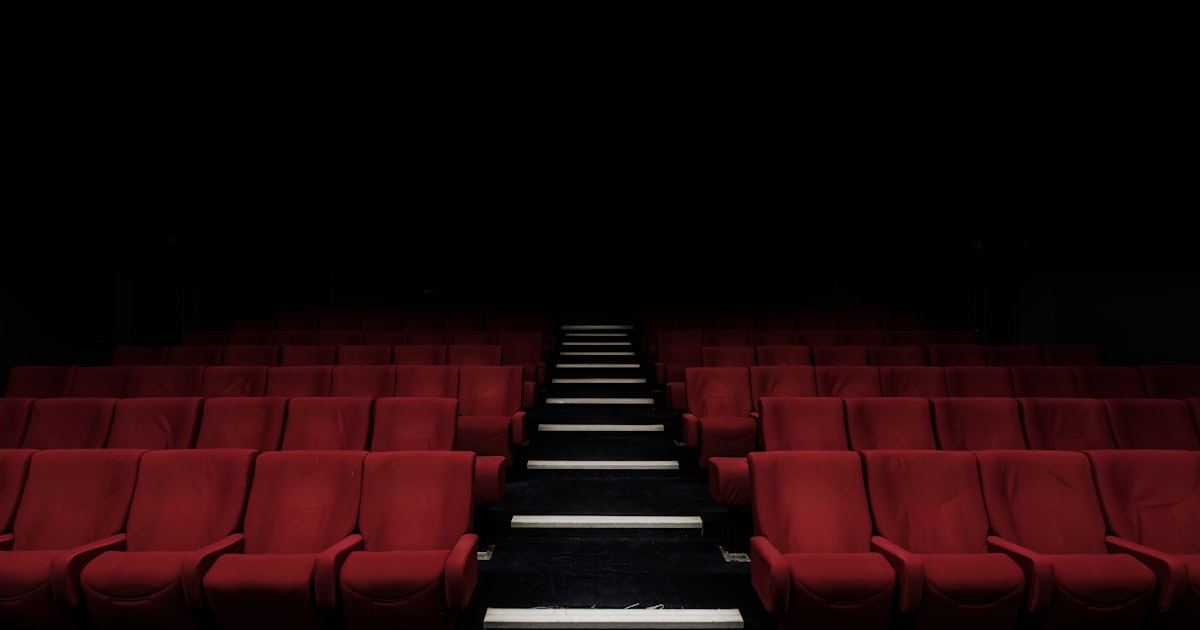
Theaters are broken. Twenty-dollar tickets, sticky floors, people texting during the climax, and don’t even get me started on those $8 sodas. Meanwhile, you can create a movie experience at home that’s not just better than the cinema – it’s exactly tailored to how YOU want to watch movies.
I’m not talking about spending $50,000 on a dedicated theater room (though if you have that budget, go wild). This is about smart choices that give you 90% of the premium experience for maybe 10% of the cost.
The Display: Size Matters, But So Does Quality
The biggest mistake people make is thinking they need the largest possible screen. Wrong. You need the right screen for your space. Too big, and you’ll get headaches from constantly moving your eyes. Too small, and you lose the immersive feeling that makes home viewing special.
The sweet spot? A 27-inch diagonal should fill about 30-40 degrees of your field of vision when you’re sitting in your normal viewing position. For most living rooms, that means a 65-75 inch TV or a good projector.
Speaking of projectors, the Epson Home Cinema 3800 4K PRO-UHD Projector is a game-changer for movie nights. Yes, it’s an investment at around $2,500, but consider this: a 100-inch 4K TV costs $3,000+ and can’t adjust its size based on what you’re watching. With a projector, rom-coms can be cozy 80-inch experiences while action movies get the full wall-filling treatment.
The 3800 delivers true 4K with HDR support, which means you’re seeing movies the way directors intended. The colors are rich, blacks are actually black (not gray), and the brightness is sufficient even if you can’t achieve complete darkness.
Projector Screens: The Unsung Heroes
Here’s what nobody tells you about projector screens: your wall isn’t good enough. I tried projecting onto a white wall for months thinking I was saving money. Then I got a proper screen and realized I’d been watching movies through a fog.
You don’t need a $1000 motorized screen for great results. A good fixed-frame screen or even a quality pull-down model will transform your image quality. The difference is mostly in how the surface handles light reflection and color accuracy.
For the ultimate flexibility, consider a portable screen that you can set up for movie nights and store away otherwise. This keeps your living room functional for daily life while still allowing for those epic movie experiences.
Audio: Where the Magic Really Happens
Your TV speakers are lying to you. They’re telling you they’re sufficient when they’re actually ruining half the movie experience. Great audio doesn’t just make explosions louder – it creates atmosphere, builds tension, and pulls you into the story.
The Sony HT-S400 2.1ch Soundbar is the best entry point for significantly better movie audio. The wireless subwoofer handles the low-end rumble that makes action scenes feel visceral, while the soundbar delivers clear dialogue that you won’t need subtitles to understand.
What makes this soundbar special is Sony’s S-Force PRO technology, which creates a wider soundstage than you’d expect from just two speakers. Voices seem to come from the screen rather than from the sides, and sound effects have proper directional placement.
Position matters enormously with soundbars. Mount it directly below your screen at ear level when you’re seated. If it’s too high or too low, the sound will seem disconnected from the action.
Streaming Devices: The Brain of Your Operation
Your smart TV’s built-in apps are probably terrible. They’re slow, they crash, they don’t get updated regularly, and they turn movie night into tech support night. A dedicated streaming device fixes all of this.
The Roku Streaming Stick 4K is consistently the smoothest, most reliable streaming experience you can buy. At under $50, it’s also the best value. The interface is intuitive, the remote is simple but functional, and it supports every major streaming service plus thousands of niche ones you might want to explore.
The 4K capability isn’t just future-proofing – it’s immediately useful. Netflix, Disney+, Apple TV+, and most other services offer tons of 4K content that looks noticeably better on a good display. The HDR support is the real game-changer though, adding depth and richness to colors that makes everything more engaging.
Seating: Comfort Is King
Movie theaters get seating wrong on purpose. Those seats are designed to fit the maximum number of people, not to be comfortable for three-hour epics. Your home setup can do better.
You don’t need special “theater seating” – you need seating that’s comfortable for YOUR body for extended periods. A good sectional sofa often works better than dedicated theater chairs because it allows people to shift positions and get cozy.
The key factors: proper lumbar support, arm rests at the right height, and enough depth that you can fully relax without slouching. If you’re shopping for new furniture, test it by sitting still for at least 20 minutes in the store. If you’re uncomfortable after 20 minutes, you’ll be miserable after two hours.
Lighting: Setting the Mood
Ambient lighting can make or break the movie experience. Complete darkness isn’t always best – it can cause eye strain during bright scenes and makes it impossible to see your snacks or drinks.
The goal is to eliminate glare on your screen while providing just enough ambient light to keep you comfortable. Bias lighting behind your TV or projector screen reduces eye fatigue and makes the display appear to have better contrast.
For movie nights, warm, dim lighting creates the right atmosphere. Smart bulbs that you can control from your phone make it easy to adjust throughout the movie without getting up during crucial scenes.
Streaming Setup Optimization
Your internet connection is probably fine for streaming 4K, but your WiFi setup might not be. Even with gigabit internet, a poorly positioned router can cause stuttering and quality drops during peak viewing times.
Position your router as close to your entertainment center as possible, or use a wired connection for your streaming device if feasible. Wired is always more reliable than wireless, and the difference is noticeable during action scenes with lots of motion.
If running cables isn’t practical, a mesh network system can ensure strong signal throughout your viewing area. The slight extra cost is worth avoiding the frustration of buffering during the climax of your movie.
For more streaming and audio setup options, check out:
- Best projectors for display alternatives
- Best projector screens for image quality improvements
- Best soundbars for audio upgrade options
- Best subwoofers for enhanced bass response
- Best streaming devices for platform comparisons
Creating the Perfect Movie Night Routine
The technical setup is just the foundation. The real magic happens in the details that make movie night feel special rather than just “watching TV on a bigger screen.”
Pre-Movie Prep: Start dimming the lights 15-20 minutes before the movie starts. This gives your eyes time to adjust and builds anticipation. Queue up your movie, check the audio levels, and make sure you have everything you need within reach.
Intermission Strategy: For movies over 2.5 hours, plan an intermission. Pause at a natural break point, stretch, refill drinks, discuss what you’ve seen so far. This actually enhances the experience rather than detracting from it.
Post-Movie Wind-Down: Don’t immediately jump into bright lights and normal activities. Gradually bring the lighting back up while discussing the movie. This helps the experience feel complete rather than abruptly ended.
The Snack Game
Theater concessions exist because they’re profitable, not because they’re good. Your home setup allows for actual quality snacks that enhance rather than distract from the movie.
Prepare snacks beforehand so you’re not rustling through packaging during quiet dialogue scenes. Popcorn is classic for a reason, but consider what actually pairs well with your movie choice. Light comedies might call for something different than intense thrillers.
Keep drinks in containers that won’t sweat and create rings on your furniture. Insulated cups maintain temperature longer and reduce condensation.
Audio for Different Movie Types
Not all movies benefit from the same audio treatment. Action movies and thrillers want that full dynamic range with deep bass and clear dialogue. But romantic comedies might be better with a more neutral sound profile that doesn’t emphasize the background score over conversations.
Many soundbars and audio systems have preset modes for different content types. Use them – they’re actually calibrated to enhance specific types of audio content.
For late-night viewing, most systems have night modes that compress the dynamic range, keeping dialogue clear while reducing the volume of loud effects that might wake others.
Explore more audio options at:
- Best bluetooth speakers for flexible audio placement
Troubleshooting Common Issues
Problem: The image looks washed out or colors seem off. Solution: Check your TV or projector’s picture mode settings. “Cinema” or “Movie” mode usually provides the most accurate colors out of the box.
Problem: Dialogue is hard to hear over background music and effects. Solution: Many systems have a “Clear Voice” or “Dialogue Enhancement” setting. Use it, especially for older movies or complex soundtracks.
Problem: Streaming quality drops during prime viewing hours. Solution: Most streaming services let you manually select quality rather than relying on automatic adjustment. Choose a slightly lower quality that remains consistent over higher quality that stutters.
What We Recommend
After testing dozens of home theater setups, here’s our ultimate movie night configuration:
Core Display Setup:
- Epson Home Cinema 3800 4K Projector - The centerpiece that transforms any room into a cinema
Essential Audio:
- Sony HT-S400 2.1ch Soundbar - Clear dialogue and impactful bass without complexity
Reliable Streaming:
- Roku Streaming Stick 4K - Smooth 4K streaming without the frustration
Complete Your Cinema:
- Best projectors - Compare all display technologies
- Best projector screens - Image quality foundation
- Best soundbars - Audio upgrade options
- Best subwoofers - Bass enhancement guide
- Best streaming devices - Platform performance breakdown
- Best bluetooth speakers - Flexible audio solutions
The beauty of building your perfect movie night setup is that it grows with you. Start with the basics – a good display and decent audio – then add elements as your budget and interest allow. The goal isn’t to recreate a commercial theater exactly, but to build something better: a viewing experience tailored specifically to how you want to watch movies.
Every movie night should feel like an event, not just another evening killing time. With the right setup and approach, you’ll find yourself looking forward to staying in more than going out. And when friends experience movies at your place, they’ll start asking if they can just come over instead of meeting at the theater.
That’s when you know you’ve succeeded in building something better than what the cinema offers.
Related articles

Transform Your Basement into the Ultimate Home Theater: Essential Products and Setup Guide
Convert your basement into a cinematic paradise with our expert recommendations for projectors, seating, sound systems, and atmosphere-creating accessories.

Best Products for TV Setup: Complete Guide to Perfect Home Entertainment
Transform your TV viewing experience with the best mounts, soundbars, cables, and accessories. Get professional results with our comprehensive setup guide.

Streaming Setup Guide: Products for Twitch, YouTube, and Beyond
Complete streaming setup guide for content creators. From cameras and microphones to stream decks and green screens - everything you need to build a professional streaming studio.