Home Security Without the Monthly Bill: A DIY Guide
Secure your home effectively without signing up for expensive monitoring services. These DIY security solutions offer professional-level protection at a fraction of the cost.
Traditional home security companies want you locked into monthly contracts that cost more than your streaming services combined. But here’s the thing: most of what they’re selling, you can do yourself for a fraction of the price and without the recurring fees.
Modern DIY security systems are incredibly capable, easy to install, and give you complete control over your data and privacy. No more wondering if some security company employee is watching your cameras or selling your information.
Let’s build a security system that actually protects your home without treating your wallet like a recurring monthly victim.
Start with the Obvious: Outdoor Security Cameras
Visible cameras are the best deterrent. Criminals prefer easy targets, and houses with obvious security measures get passed over for easier pickings.
The ANNKE 3K Lite Wired Security Camera System gives you professional-grade outdoor security cameras with AI detection for humans and vehicles. It’s a complete system with DVR storage—no monthly cloud fees, no dependence on internet connectivity.
Why wired still wins: Wireless cameras need charging or battery replacement. Wired cameras never die at inconvenient times. If you’re installing cameras permanently, run the cables once and forget about them.
Placement strategy: Cover entry points first—front door, back door, side gates. Then add coverage for vulnerable areas like ground-floor windows or blind spots around your property.
Night vision matters: Most break-ins happen in darkness. Make sure your cameras can see clearly in low-light conditions, not just capture mysterious shadows.
For more options, check our complete outdoor security cameras guide, but the ANNKE system covers most homes effectively.
The Smart Doorbell: Your Front-Line Defense
A video doorbell serves triple duty: it lets you see who’s at your door, deters porch pirates, and records evidence if something happens.
The Ring Wired Doorbell Plus connects to your existing doorbell wiring and gives you HD video, two-way audio, and motion detection. It integrates with your smartphone so you can answer the door from anywhere.
Installation reality: If you have existing doorbell wiring, installation is straightforward. Turn off power, swap the old doorbell for the new one, download the app. Most people can do it in 30 minutes.
Storage options: Ring offers cloud storage for a fee, but many models also support local storage. Choose based on whether you want the convenience of cloud access or prefer keeping your data completely private.
Privacy consideration: Video doorbells can see beyond your property line. Be mindful of neighbors’ privacy and local laws about recording public spaces.
Motion Sensor Lights: The Cheapest Deterrent
Nothing says “I see you” like suddenly flooding an area with light. Motion sensor lights are cheap, effective, and work even during power outages if you choose solar models.
The Globe Electric 110-Degree 240W Twin Head Security Flood Light is hardwired for reliability and covers a wide area. Install them at entry points, along pathways, and in dark corners where someone might hide.
Solar alternatives: Solar motion lights avoid wiring but need adequate sun exposure to stay charged. They’re perfect for remote areas of your property where running electrical wiring isn’t practical.
Sensitivity adjustment: Most motion sensors let you adjust sensitivity and duration. Set them sensitive enough to catch legitimate threats but not so sensitive they light up every time a cat walks by.
Strategic placement: Install lights high enough that they can’t be easily disabled but low enough to effectively illuminate faces and license plates.
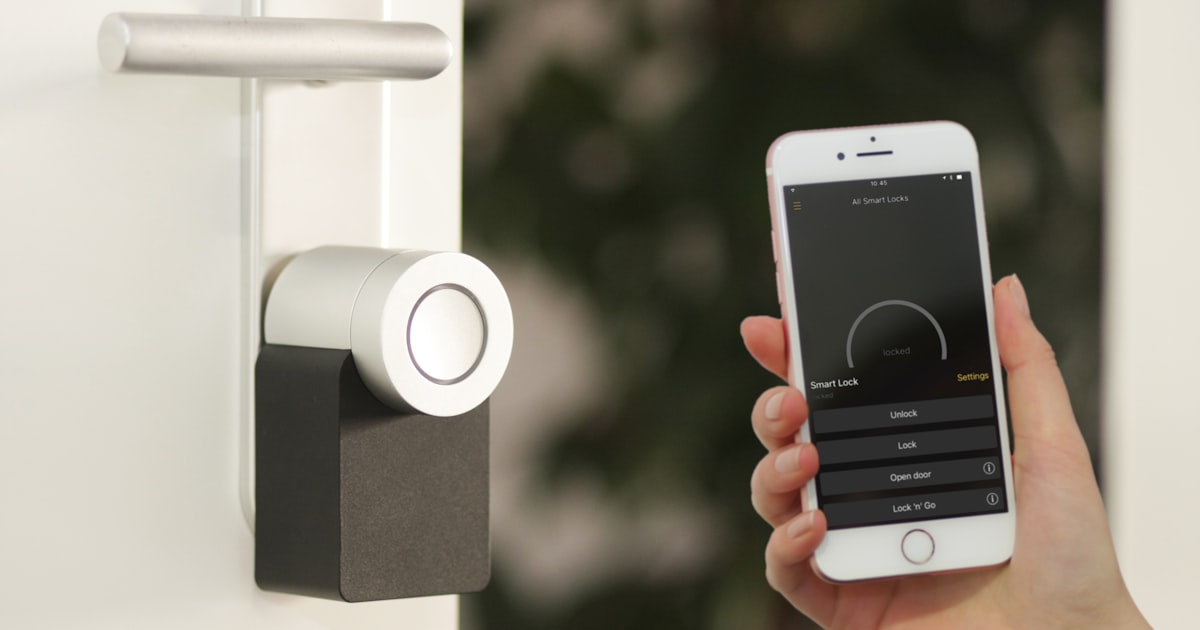
Smart Locks: Control Who Enters When
Traditional locks with physical keys are security theater. Lost keys, copied keys, hidden spare keys—all vulnerabilities waiting to be exploited. Smart locks give you real control.
The Schlage Encode Smart WiFi Deadbolt works with your smartphone, lets you create temporary codes for visitors, and logs who comes and goes. No more wondering if you remembered to lock the door.
Code advantages: Give house cleaners, pet sitters, and contractors temporary codes that expire automatically. No more coordinating key handoffs or worrying about unreturned keys.
Battery backup: Smart locks run on batteries, but good ones give you plenty of warning before they die. Keep spare batteries on hand.
Physical key override: Always choose smart locks that still accept a physical key. Technology fails, batteries die, and you don’t want to be locked out of your own house.
Indoor Security Cameras: The Backup Plan
Home security cameras inside your house provide evidence if someone gets past your other defenses. But they’re also useful for monitoring pets, kids, or just checking that you actually turned off the coffee maker.
The same ANNKE system works indoors too, but for indoor monitoring, you might prefer wireless options that are easier to move and reposition.
Privacy zones: Good security cameras let you set privacy zones that won’t be recorded. Use this for bedrooms and bathrooms to maintain family privacy while monitoring common areas.
Two-way audio: Cameras with built-in speakers let you communicate with family members or potentially scare off intruders who made it inside.
Pet monitoring bonus: Security cameras double as pet cams. Check on your pets during the day, and some models even let you dispense treats remotely.
Smart Light Bulbs: The Illusion of Occupancy
Smart light bulbs like the Philips Hue White and Color Ambiance A19 can simulate occupancy when you’re away. Random lighting patterns make it look like someone’s home even when you’re on vacation.
Vacation mode: Set lights to turn on and off at different times in different rooms. Criminals watch for patterns—lights that turn on at exactly 6 PM and off at exactly 10 PM every day scream “automation” rather than “occupied home.”
Energy efficiency: LED smart bulbs use minimal power even when left on, so the security benefit doesn’t cost much in electricity.
Integration benefits: Smart bulbs work with other smart home devices. Motion sensors can trigger lights, security cameras can activate lighting, and everything works together as a system.
The Alarm System: DIY vs. Traditional
You can build an effective alarm system without monthly monitoring fees. Door and window sensors, motion detectors, and a central hub that sends alerts to your phone provide the core functionality of professional systems.
Self-monitoring: Your smartphone becomes the monitoring center. Break-ins trigger immediate alerts, recorded video, and whatever response you choose—calling police yourself, alerting neighbors, or just documenting what happened.
Professional monitoring alternatives: Some DIY systems offer optional professional monitoring for much less than traditional companies charge. You get the benefits without the long-term contracts or inflated prices.
False alarm avoidance: The biggest problem with DIY systems is false alarms. Start with fewer sensors, learn the system’s quirks, then expand coverage as you get comfortable with the technology.
Neighborhood Integration: The Community Approach
Modern security isn’t just about your individual house—it’s about neighborhood awareness and communication.
Neighborhood apps: Apps like Nextdoor and Ring Neighborhoods let neighbors share security information, report suspicious activity, and coordinate responses to problems.
Shared camera coverage: Strategically placed cameras can cover multiple properties. Coordinate with neighbors to eliminate blind spots without duplicating coverage.
Emergency contacts: Build relationships with immediate neighbors. They’re your first line of response and most likely to notice problems quickly.
The Layered Security Philosophy
Effective home security isn’t about one perfect solution—it’s about multiple layers that work together:
Layer 1: Deterrence - Visible cameras, security signs, motion lights
Layer 2: Detection - Door/window sensors, motion detectors, perimeter cameras
Layer 3: Delay - Strong locks, security doors, window reinforcements
Layer 4: Response - Alarms, notifications, recorded evidence
Each layer doesn’t have to be perfect. Together, they create a system that’s too much trouble for most criminals to bother with.
Installation Tips That Save Money
DIY what you can: Camera mounting, smart lock installation, and motion light setup are all within most homeowners’ abilities. Save professional installation costs for complex wiring or structural modifications.
Plan before you buy: Walk your property at different times of day. Note blind spots, vulnerable areas, and natural choke points. Design your system on paper before spending money.
Start small, expand later: Begin with the most critical areas—front door, main entry points. Add coverage as budget allows and you learn what works for your specific situation.
Test everything: After installation, test every sensor, camera, and alert. Make sure your smartphone gets notifications, cameras record clearly, and motion sensors trigger reliably.
What We Recommend
For basic protection: Start with a video doorbell, smart lock, and motion sensor lights. This covers your most vulnerable entry point and provides visible deterrence.
For comprehensive coverage: Add the ANNKE security camera system and smart light bulbs for complete property monitoring and occupancy simulation.
Essential guides: Check out our complete guides for home security cameras, outdoor security cameras, video doorbells, smart locks, motion sensor lights, and smart light bulbs.
Remember: the best security system is one you actually use consistently. Complex systems with monthly fees often get abandoned when budgets tighten or technology becomes outdated. Simple, effective, DIY security protects your home without holding your wallet hostage to monthly fees.
Your home’s security shouldn’t depend on whether you remembered to pay a bill. Build a system that works for you, protects your family, and respects your budget.
Related articles

Best Products for Home Security DIY: Complete Guide to Protecting Your Home
Build a comprehensive DIY home security system with the best cameras, doorbells, smart locks, and sensors. Professional-grade protection without monthly fees.
Alexa vs Google Home vs Siri: Complete Smart Home Voice Assistant Comparison 2026
Compare Amazon Alexa, Google Assistant, and Apple's Siri for smart home control. Discover which voice assistant offers the best features, device compatibility, and user experience for your needs.
Smart Bedroom Setup: Best Products for Better Sleep and Wake-Up Experience
Transform your bedroom into a smart sleep sanctuary with these top-rated devices. From smart lighting that supports circadian rhythms to white noise machines and automated wake-up routines.