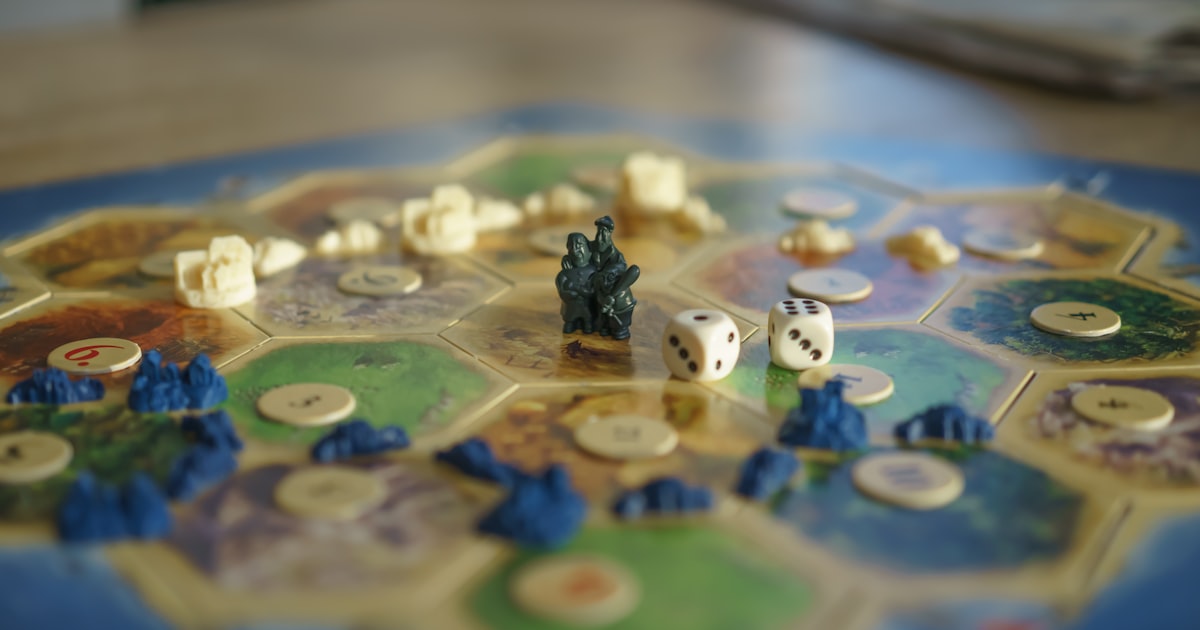
Beyond Monopoly: The Board Game Night Guide for People Who Think They Don't Like Board Games
Discover why modern board games are nothing like the frustrating family games you remember, and how to host game nights that people actually want to attend.
Let me guess. Someone mentions “board game night” and you immediately think of three-hour Monopoly slogs that end with someone flipping the board, or Risk games that turn family dinners into diplomatic crises. I totally get why you’d want to avoid that.
Here’s the thing: modern board games are nothing like the mass-market games that traumatized you as a child. We’re not talking about rolling dice and hoping for the best while someone slowly bankrupts the rest of the family. Today’s games are strategic, engaging, and actually fun for everyone involved.
The board game renaissance of the last 20 years has produced games that are more like interactive puzzles or social experiences than the luck-based slogs you remember. These games respect your time, your intelligence, and your desire to actually enjoy the experience.
Why Modern Games Are Different
The games you grew up with were designed to be simple enough for mass production and broad appeal, which often meant they were boring for adults and relied heavily on luck. Modern board games, often called “hobby games” or “designer games,” focus on meaningful choices, player interaction, and engaging gameplay that works equally well for teenagers and adults.
Take Roxley Games Brass: Birmingham, currently ranked #1 on BoardGameGeek (the IMDb of board games). It’s an economic strategy game where you’re building industrial networks in 19th-century England. That might sound dry, but the gameplay is incredibly engaging – every decision matters, there’s minimal luck involved, and games finish in a satisfying 90-120 minutes rather than dragging on indefinitely.
The game creates natural tension and drama as players compete for limited resources and markets, but unlike Monopoly, losing doesn’t mean sitting around watching everyone else have fun for two hours. The pacing keeps everyone engaged from start to finish.
The Psychology of Game Selection
Choosing the right game for your group is crucial. You wouldn’t show a hardcore horror film to people who prefer romantic comedies, and the same logic applies to games. The key is matching the game’s complexity and theme to your group’s interests and experience level.
For Strategy Lovers: Games like Brass: Birmingham offer deep tactical gameplay without being overwhelming. The rules are learnable in 20-30 minutes, but the strategy emerges over multiple plays.
For Social Groups: Party games and social deduction games create laughter and memorable moments without requiring intense focus or competitive gameplay.
For Casual Players: Gateway games bridge the gap between traditional family games and hobby games, offering more interesting choices without intimidating complexity.
Setting Up Your Game Night Space
The physical environment shapes the entire experience. A cramped kitchen table with poor lighting will make even the best games feel like work, while a well-organized setup makes everything more enjoyable.
Table Size Matters: You need enough space for the game board, each player’s personal components, and drinks/snacks. A 4x6 foot table comfortably accommodates most games for 4-6 players. If your dining table isn’t large enough, consider a folding game table that you can set up specifically for game nights.
Lighting Is Critical: Overhead lighting often creates shadows that make it hard to read cards or see board details. Add task lighting – table lamps or even clip-on LED lights can make a huge difference in both functionality and ambiance.
Component Organization: Games with lots of small pieces benefit from organization systems. Small bowls or containers keep tokens and cards sorted and accessible to all players. This speeds up setup and keeps the game flowing smoothly.
The Art of Teaching Games
This is where most game nights fail. Someone poorly explains the rules for 45 minutes while everyone else zones out, then spends the actual game constantly correcting misunderstood rules. There’s a better way.
The 5-Minute Rule: If you can’t explain the basic concept of a game in 5 minutes, choose a different game. Save complex games for groups that specifically want that challenge.
Learn Teaching Strategies: Start with the goal of the game, then explain the basic turn structure, then cover special cases. Don’t front-load every possible rule – people learn better by starting to play and learning edge cases as they come up.
Use Examples: Walk through a sample turn or two instead of just reading rules. Seeing the game in action clarifies concepts that sound confusing in the abstract.
For expanding your game collection, check out:
- Best board games for strategy game recommendations
- Best card games for portable and quick-play options
- Best chess sets for classic strategy gaming
Games That Convert Skeptics
Some games are perfect for winning over people who think they don’t like board games. These gateway games offer more interesting choices than traditional games without being intimidating.
Ticket to Ride: Building railroad routes across the country. Simple rules, beautiful components, and just enough strategy to be engaging without being overwhelming.
Splendor: Collecting gems to buy cards that give you permanent gem bonuses. It sounds boring but becomes incredibly addictive as you build an efficient engine.
Azul: Laying decorative tiles on your personal board following specific patterns. Gorgeous components and satisfying puzzle-like gameplay.
King of Tokyo: Giant monsters fighting for control of Tokyo with chunky dice and amazing artwork. Appeals to the part of us that loved monster movies as kids.
These games share common traits: they’re easy to learn but reward good play, they have high-quality components that feel satisfying to handle, and they finish in reasonable timeframes.
Advanced Game Night Strategies
Once your group is comfortable with basic modern games, you can expand into more complex and specialized experiences.
Cooperative Games: Instead of competing against each other, everyone works together against the game itself. These create shared tension and excitement without the competitive stress that some people find uncomfortable.
Legacy Games: Games that change permanently based on your decisions in previous plays. Stickers get placed, cards get torn up, and your copy becomes unique to your group’s story. These create incredible emotional investment over multiple sessions.
Hidden Role Games: Players have secret identities and goals, creating suspicion, deduction, and dramatic reveals. Perfect for groups that enjoy social interaction and don’t mind a bit of deception.
Food and Drink Strategy
What you serve during game night affects the experience more than you might think. Foods that require two hands or create crumbs and grease can interfere with gameplay, while thoughtful snack choices enhance the evening.
Finger Foods That Work: Items that can be eaten with one hand and don’t leave residue. Cut vegetables with dips, grapes, crackers with spreads applied beforehand.
Drinks That Don’t Kill Games: Bottles with caps or cans that can’t easily spill. Avoid red wine near expensive games with paper components. Provide napkins and maybe even cheap finger wipes.
Timing Matters: Serve substantial food before the games start or during natural break points. Hungry players make poor decisions and get cranky, but stopping mid-game for a meal kills momentum.
Dealing with Different Player Types
Every group has different personalities, and successful game nights account for these differences rather than fighting them.
The Analyst: Wants to understand every option before making decisions. Choose games with reasonable time limits or gentle time pressure to keep things moving.
The Social Player: More interested in the interaction than winning. Include games that create stories and shared experiences, not just tactical puzzles.
The Competitive Player: Plays to win and wants everyone else to bring their best effort. Make sure games reward skill and don’t come down to pure luck.
The Casual Player: Just wants to have fun and spend time with friends. Avoid games with harsh penalties or player elimination.
For hosting larger groups, consider:
- Best poker sets for classic card game tournaments
- Best jigsaw puzzles for collaborative relaxing activities
- Best foosball tables for active entertainment options
Digital Integration
Modern board games often have companion apps that handle complex calculations, provide atmospheric music, or even replace physical components entirely. These aren’t gimmicks – they’re well-integrated tools that enhance gameplay.
Some apps act as smart timers, others provide procedural content generation that keeps games fresh across multiple plays. The key is finding games where the digital elements support rather than replace human interaction.
Building Your Game Collection
Start small and grow based on your group’s preferences rather than buying everything that gets good reviews. One game that gets played ten times is better than ten games that each get played once.
Start With Variety: Get one strategy game, one party/social game, and one cooperative game. This covers different moods and group compositions.
Buy Based on Play Experience: Don’t add new games until you’ve thoroughly explored the ones you have. The best games reveal new layers of strategy across multiple plays.
Consider Storage: Games take up space, and organization affects how often games actually get played. Accessible storage makes it more likely you’ll actually use your collection.
Common Pitfalls to Avoid
Overthinking the Rules: Accept that first games will have some rule mistakes. It’s better to make reasonable rulings and continue playing than to halt the game to research edge cases.
Analysis Paralysis: Set gentle time expectations. Taking a few minutes to think through a complex decision is fine, but agonizing for 10 minutes over every choice kills the fun for everyone else.
The Wrong Game for the Mood: Pay attention to your group’s energy level and choose accordingly. Don’t force a heavy strategy game on people who want light social interaction.
Not Having a Plan B: Sometimes a game just isn’t clicking with the group that night. Have alternatives ready rather than forcing everyone through a miserable experience.
Game Night Logistics
Scheduling: Regular recurring game nights work better than trying to coordinate ad-hoc events. “Second Saturday of every month” is easier to plan around than “whenever everyone’s available.”
Group Size: Most games work best with 3-5 players. Larger groups require party games or splitting into multiple simultaneous games.
Duration Management: Communicate expected time commitments upfront. Some people are happy with 4-hour strategy sessions, others prefer 60-90 minute experiences.
What We Recommend
After hosting hundreds of game nights and testing countless games, here’s our proven setup for converting board game skeptics:
Gateway Strategy Game:
- Roxley Games Brass: Birmingham - The perfect introduction to modern economic strategy gaming
Complete Your Game Library:
- Best board games - Strategy games for serious players
- Best card games - Portable and quick options
- Best chess sets - Classic strategy gaming
- Best poker sets - Traditional card game equipment
- Best jigsaw puzzles - Collaborative relaxation activities
- Best foosball tables - Active entertainment alternatives
The goal isn’t to become a hardcore gaming group overnight. It’s to discover that interactive entertainment can be thoughtful, engaging, and social in ways that digital entertainment often isn’t.
Modern board games create shared experiences and stories in ways that few other activities can match. When everyone’s looking at the same board and making decisions that affect each other, you get genuine human interaction that’s become increasingly rare in our digital age.
Start with one good game, learn it well, and build from there. The worst that happens is you spend a few enjoyable evenings with friends. The best case? You discover a hobby that provides years of entertainment, social connection, and mental stimulation.
And unlike childhood Monopoly, you’ll actually want to play again next week.
Related articles

Family Game Night Products: Board Games and Accessories for All Ages
Create unforgettable family game nights with the best board games, accessories, and setups. From classics to modern favorites, bring everyone together for fun.
Game Night Hosting: Products That Make Every Get-Together Memorable
Master the art of game night hosting with our comprehensive guide to creating unforgettable social gaming experiences. From table setup to snack management.
Getting Into Board Games: Beyond Monopoly and Into the Good Stuff
Discover the incredible world of modern board games beyond childhood classics. From strategy masterpieces to party games, learn how to build a collection and find your perfect game night crew.