Affiliate Disclosure: As an Amazon Associate, we earn from qualifying purchases. This doesn't affect our recommendations or editorial integrity. Learn more

Seed Starting Kits

Expert Picks for January 2026

Best Seed Starting Kits

Seeds are cheap—failed attempts are demoralizing. We compared seed starting kits from professional trays to beginner-friendly systems—finding what actually produces transplants.

Last updated: January 28, 2026
Share:
Best Overall Our top recommendation
Best Overall
Professional Greenhouse 72-Cell Seed Starter Kit

Jiffy

Professional Greenhouse 72-Cell Seed Starter Kit

4.5 (23,456 reviews)

The system that's started millions of gardens. Pop pellets in water, add seeds, cover with dome, wait. Those peat pellets go directly in the ground—no root disturbance. Gardeners have trusted Jiffy for generations.

Cells

72

Type

Peat pellet

Dome

Included

Tray

Reusable

Pros

  • 72 peat pellets
  • Dome maintains humidity
  • Transplant without disturbing roots

Cons

  • Pellets dry out fast
  • Dome cracks easily
  • Peat sustainability concerns

Head-to-Head Comparison

ProductRatingPrice Action
Professional Greenhouse 72-Cell Seed Starter Kit
Professional Greenhouse 72-Cell Seed Starter Kit Best
Jiffy
4.5
$24 View
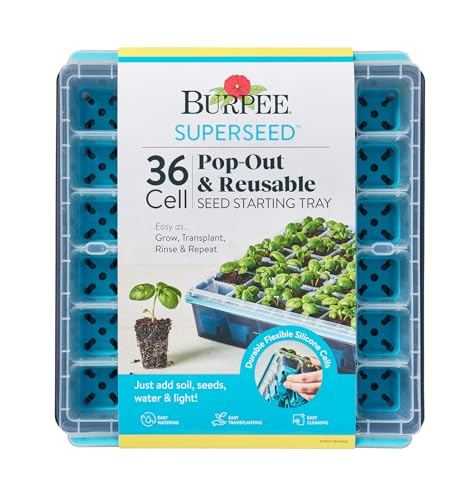
Ultimate Growing System Seed Starter
Ultimate Growing System Seed Starter Value
Burpee
4.3
$19 View
Speedling 32-Cell Seed Starting Tray
Gardener's Supply
4.7
$34 View
1020 Trays with Inserts (5-Pack)
Bootstrap Farmer
4.6
$29 View
Harvest Elite Indoor Garden
AeroGarden
4.5
$149 View

* Prices may vary. As an Amazon Associate, we earn from qualifying purchases.

All Recommended Products

Best Overall
Professional Greenhouse 72-Cell Seed Starter Kit

Jiffy

Professional Greenhouse 72-Cell Seed Starter Kit

4.5 (23,456 reviews)

The system that's started millions of gardens. Pop pellets in water, add seeds, cover with dome, wait. Those peat pellets go directly in the ground—no root disturbance. Gardeners have trusted Jiffy for generations.

Cells

72

Type

Peat pellet

Dome

Included

Tray

Reusable

Pros

  • 72 peat pellets
  • Dome maintains humidity
  • Transplant without disturbing roots

Cons

  • Pellets dry out fast
  • Dome cracks easily
  • Peat sustainability concerns
Best Value
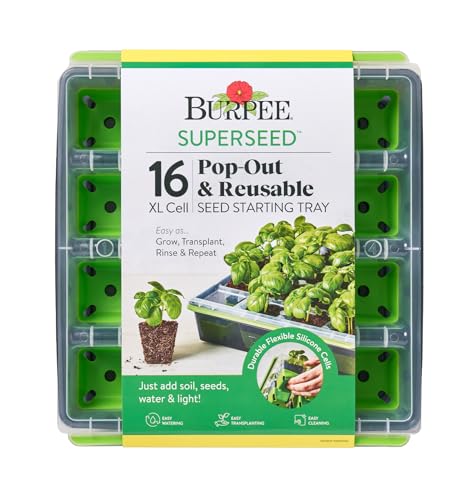
Ultimate Growing System Seed Starter

Burpee

Ultimate Growing System Seed Starter

4.3 (8,765 reviews)

Everything you need in one box. Self-watering tray means less hovering, deeper cells mean stronger roots, included mix means you're starting immediately. Perfect first kit for the curious new gardener.

Cells

24

Type

Deep cells

Feature

Self-watering

Includes

Seed starting mix

Pros

  • Self-watering reservoir
  • Includes seed starting mix
  • Reusable tray

Cons

  • Fewer cells
  • Mix quantity limited
  • Reservoir small
Premium Pick
Speedling 32-Cell Seed Starting Tray

Gardener's Supply

Speedling 32-Cell Seed Starting Tray

4.7 (3,456 reviews)

Commercial nurseries use trays like these because they work. Those 3-inch deep cells let roots develop without restriction—transplants establish faster because they're not root-bound. Buy once, reuse for a decade.

Cells

32

Depth

3"

Material

Heavy-duty plastic

Use

Reusable for years

Pros

  • Deep 3" cells
  • Thick durable plastic
  • Roots develop fully

Cons

  • Expensive per cell
  • No dome included
  • Needs its own mix
1020 Trays with Inserts (5-Pack)

Bootstrap Farmer

1020 Trays with Inserts (5-Pack)

4.6 (5,678 reviews)

What serious seed starters graduate to. These 1020 trays are industry standard—every grow rack, heat mat, and dome fits them. Thick enough to last years. Pair with cell inserts of your chosen size.

Size

10" x 20"

Quantity

5 trays

Material

Heavy-duty

Type

Base tray + inserts

Pros

  • Extra-thick plastic
  • Standard 1020 size
  • Fits grow racks

Cons

  • No dome or mix
  • Requires separate cells
  • Learning curve
Budget Pick
Harvest Elite Indoor Garden

AeroGarden

Harvest Elite Indoor Garden

4.5 (12,345 reviews)

For those who kill even the easiest plants. Automated light cycles, water level alerts, nutrient reminders—the AeroGarden removes every excuse for failure. Expensive per plant, but the foolproof system actually works.

Capacity

6 plants

Light

LED 20W

Method

Hydroponic

Control

Touch panel

Pros

  • Fully automated
  • Built-in grow light
  • Touch screen control

Cons

  • Expensive
  • Proprietary pods
  • Limited plant capacity

Buying Guide: How to Choose Seed Starting Kits


How to Choose a Seed Starting Kit

Starting from seed is magical—and frustrating. Seeds are cheap; failed attempts are demoralizing. The right kit removes variables so your seeds actually become plants.

System Types

Peat Pellets: Compressed peat that expands with water. Seeds go directly in; transplant pellet and all. Easy but pellets dry quickly.

Cell Trays: Compartmentalized trays you fill with seed starting mix. More work, more control, reusable.

Self-Watering: Reservoir bottom-waters plants. Reduces monitoring, prevents both over and under watering.

Hydroponic: No soil, nutrients in water. Automated systems remove guesswork.

### Cell Size Matters

Tiny cells mean faster drying and root-bound plants. Deeper cells grow stronger transplants. For tomatoes and peppers, look for 2-3" depth minimum. Lettuce and herbs manage in shallower cells.

### What You Actually Need

1. Cells or pellets to hold seeds
2. Sterile seed starting mix (not garden soil)
3. Humidity dome for germination
4. Warmth (70-80°F for most seeds)
5. Light (within days of germination)

### Heat Mats: The Secret Weapon

Seeds germinate faster with bottom heat. A seedling heat mat under your trays increases germination rates and speeds the process. Not essential, but highly recommended for warm-season crops like tomatoes and peppers.

Frequently Asked Questions About Seed Starting Kits

Why aren't my seeds germinating?

Common causes: wrong temperature (most seeds need 65-80°F), planted too deep (tiny seeds need surface sowing), old seeds (viability decreases yearly), too wet or too dry. Read seed packet instructions—every species has preferences.

When should I start seeds indoors?

Count backwards from your last frost date. Most vegetables: 6-8 weeks before. Slow growers (peppers, eggplant): 8-10 weeks. Fast growers (squash, cucumber): 2-4 weeks. Starting too early creates leggy plants.

Do I need special soil for starting seeds?

Yes. Garden soil is too heavy and contains pathogens that kill seedlings (damping off). Seed starting mix is sterile, fine-textured, and well-draining. It's worth the few extra dollars for dramatically better results.

When should I remove the humidity dome?

Once most seeds have germinated and you see green. Keeping the dome on too long promotes fungal disease. Ventilate gradually by propping the dome first, then remove completely. Switch from humidity to light and airflow.

Was this guide helpful?

Why Trust Our Recommendations?

We analyze thousands of real customer reviews, compare product specifications, and curate recommendations so you can make an informed decision without the research hassle.

Curated Recommendations
Real Customer Reviews
Specs Compared
No Paid Placements